Business Insider ranks the 25 most popular US cities for vacation homes, revealing top destinations where buyers seek relaxation and investment. Coastal and mountain locales dominate the list as getaway preferences evolve.
Business Insider ranks the 25 most popular US cities for vacation homes, revealing top destinations where buyers seek relaxation and investment. Coastal and mountain locales dominate the list as getaway preferences evolve.
Las Vegas leads a US hotel growth surge, followed by Philadelphia, Miami, and Chicago, driven by mega events, sports tourism, conventions, and a corporate travel rebound, STR reports record gains in RevPAR, ADR, and occupancy.
In Las Vegas Arts District, Senator Catherine Cortez Masto met with small business owners highlighting a slowdown in tourism linked to Trump-era policies. They called for renewed support to revive the local economy.
United States and Canada travel surges as Las Vegas casinos launch Canadian Dollar Parity Program. The initiative boosts hotel bookings, gaming revenue, and drives robust summer tourism growth, industry reports.
Las Vegas joins Miami, Honolulu, New York City, Los Angeles, Orlando, and other major US cities facing a tourism slowdown. The travel sector is under significant pressure as visitor numbers dip amid economic and global challenges.
Las Vegas has overtaken top cities like Hawaii, Miami, and Los Angeles as a premier domestic travel destination. Americans are spending over $1 trillion on US travel, reshaping tourism trends nationwide.
The United States is capitalizing on the global event tourism surge, with Las Vegas leading the charge. The city is investing heavily in major competitions and iconic matches to attract international visitors and boost its tourism economy.
The share of Las Vegas visitors attending sports events rose steadily from 2018 to 2024, reflecting the city’s growing status as a major sports destination, boosted by new teams and expanded event offerings.
Las Vegas is experiencing a sharp decline in visitors as leisure spending slows, Reuters reports. The drop highlights challenges for the city’s tourism-driven economy amid shifting consumer behavior.
The U.S. travel industry faces mounting challenges as soaring demand strains infrastructure and workforce capacity. Experts question how long airlines, hotels, and services can sustain the current surge without major disruptions.
With foreign tourists boycotting the U.S., businesses across key sectors brace for a sharp decline in sales. The drop in international visitors threatens to impact revenue and slow economic recovery, CNBC reports.
As tourism declines, Las Vegas faces a significant economic impact, with reduced revenue for businesses and rising unemployment. Local experts warn the city must adapt to sustain growth amid shifting visitor trends. (ktnv.com)
Las Vegas Mayor Carolyn Goodman highlights a sharp decline in Canadian tourists, urging a return to the city’s vibrant hospitality scene. “We need you, and we miss you,” she told Fortune, emphasizing the economic impact.
Las Vegas may see a decline in European tourists following recent remarks by former President Trump, KSNV reports. Industry experts warn that strained international relations could impact visitor numbers.
Experts warn the decline in international tourism may extend beyond this summer, citing ongoing travel restrictions and economic challenges. The industry faces prolonged recovery as global travel demand remains subdued.
Orlando joins New York, Miami, Las Vegas, and Chicago in generating millions from tourism, boosting local businesses and enriching community culture. Discover how the city is becoming a top U.S. travel destination.
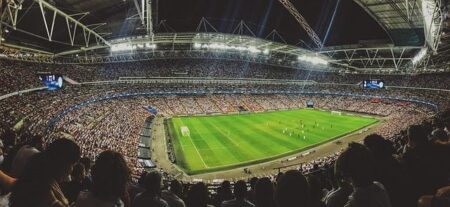
Las Vegas solidifies its status as a sports fan paradise, offering world-class venues, major league teams, and nonstop entertainment. The city’s vibrant sports scene continues to attract travelers seeking thrilling game-day experiences.
Chinese tourists, key to Las Vegas’ tourism rebound, may hesitate to travel to the US amid ongoing concerns over policies and safety. Industry experts highlight the need for renewed confidence-building measures.
Las Vegas joins Miami, Los Angeles, San Francisco, Washington, and New York City as top US New Year travel hotspots. The city shines with unique events, concerts, and festivities, boosting tourism nationwide.
Las Vegas joins NYC, LA, Florida, and Palm Springs in facing a sharp decline in Canadian tourists. The US travel sector suffers over $2 billion in lost visitor spending and 14,000 job cuts, revealing deep industry struggles.