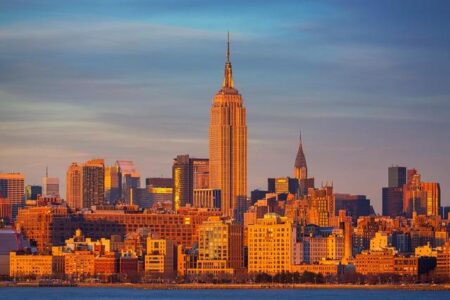

How Trade Conflicts Are Reshaping the Future of American Tourism
Tourism Sector Grapples with Unprecedented Pressures Amid Rising Trade Disputes
The intensification of trade disputes, marked by escalating tariffs and retaliatory policies, has sent shockwaves through the U.S. tourism industry. Beyond the well-documented impacts on manufacturing and agriculture, the travel and hospitality sectors are now confronting a steep decline in international visitors. This downturn is particularly severe in areas heavily reliant on foreign tourism, where the drop in arrivals threatens widespread unemployment and the closure of small businesses.The combination of fluctuating currency values and diminished consumer confidence has compounded these challenges, leaving many operators struggling to stay afloat.
Several critical factors are driving this downturn:
- Increased travel expenses due to reciprocal tariffs affecting airlines and travel-related products.
- Reduced cross-border business travel and cancellations of international conferences amid economic uncertainty.
- Inflationary pressures linked to trade disruptions, eroding consumer spending power.
| Area Affected | Forecasted 2024 Decline | Economic Consequence |
|---|---|---|
| International Visitor Numbers | -15% | Lower hotel occupancy and restaurant sales |
| Corporate Travel | -12% | Reduced revenue in events and conference sectors |
| Jobs in Tourism-Dependent Industries | -8% | Rising unemployment rates |
Regional Travel Centers Face Economic Strain as Trade Tensions Mount
Trade hostilities have extended their reach into regional travel hubs, which serve as critical gateways for international tourists. Major airports and transit points in metropolitan areas report a notable drop in inbound travelers, a trend closely tied to increased travel costs and global economic instability. This decline has placed immense pressure on local economies, with hotels, restaurants, and entertainment venues experiencing sharp revenue losses. The resulting strain threatens thousands of jobs and risks shuttering businesses that form the backbone of these communities.
Key economic indicators reveal the depth of the crisis:
- Visitor arrivals in major U.S. gateway cities have fallen by approximately 15% year-over-year.
- Hotel occupancy rates in popular tourist corridors have decreased by 10-12%.
- Nearly 25,000 jobs in travel and hospitality sectors are at risk nationwide.
| Sector | Estimated Job Losses | Revenue Impact |
|---|---|---|
| Airports & Transit Facilities | 8,000 | -$500 million |
| Hotels & Accommodations | 10,000 | -$750 million |
| Dining & Entertainment | 7,000 | -$400 million |
Essential Policy Reforms to Revive and Sustain U.S.Tourism
Revitalizing the tourism industry demands decisive policy reforms and targeted investments. Lawmakers must focus on restoring international traveler confidence by reconsidering tariffs that have strained relations with key global partners. Strategic marketing efforts aimed at repositioning the United States as an inviting and safe destination are equally crucial. Moreover, upgrading infrastructure-including airports, highways, and public transit-and simplifying visa procedures can eliminate significant obstacles deterring visitors.
Additional measures to support the sector’s recovery include:
- Financial incentives for small and medium-sized tourism enterprises still recovering from pandemic and trade-related setbacks.
- Collaborations with local communities to create authentic cultural experiences that resonate with international tourists.
- Improved data analytics to monitor tourism trends and enable agile policy responses to emerging challenges.
| Policy Focus | Primary Objective | Anticipated Benefit |
|---|---|---|
| Trade Tariff Adjustments | Reduce tariffs on travel-related goods and services | Lower travel costs and improved international relations |
| Visa Policy Reforms | Accelerate processing times and reduce fees | Easier access for global visitors |
| Infrastructure Enhancements | Modernize airports and transit networks | Improved visitor experience and capacity |
Rebuilding Traveler Confidence and Boosting International Arrivals
Restoring trust among global travelers is pivotal to reversing tourism declines. Industry leaders and tourism authorities must unite to deliver transparent, consistent messaging about safety measures and policy stability. Highlighting the United States as a secure and hospitable destination through focused campaigns can counteract negative perceptions fueled by ongoing trade disputes. Additionally, offering flexible booking policies and attractive travel incentives can motivate hesitant tourists to finalize their plans.
On the diplomatic front, strengthening ties with major source countries through bilateral agreements can facilitate smoother visa issuance and reduce travel barriers, directly increasing visitor numbers. Below is an overview of strategic initiatives poised to rejuvenate inbound tourism:
| Initiative | Projected Impact |
|---|---|
| Streamlined Visa Processing | Higher visitor volumes from Asia and Europe |
| Collaborative Airline Marketing | Expanded flight routes and promotional offers |
| Traveler Assurance Campaigns | Enhanced public perception and increased bookings |
| Flexible Cancellation Policies | Greater booking commitments despite uncertainties |
Conclusion: Navigating the Crossroads of Trade and Tourism
As trade conflicts persist, the American tourism industry emerges as a significant casualty, facing challenges that threaten its role as a key economic driver. The combination of rising tariffs,retaliatory actions,and global economic uncertainty has created a precarious habitat for travel-related businesses and workers. Without prompt and coordinated policy responses, the sector’s recovery may be slow and uneven, with broader implications for the U.S. economy. It is imperative for policymakers and industry leaders to collaborate on solutions that safeguard jobs, support businesses, and restore the United States’ standing as a premier travel destination.