Controversy Surrounding Las Vegas Police Arrest of Independent Filmmakers
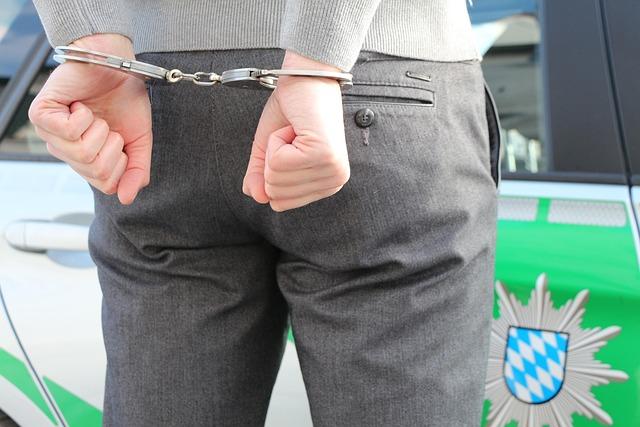
A widely shared video depicting the detention of two independent filmmakers in downtown Las Vegas has ignited intense public discourse regarding police behavior and possible retaliatory motives. The footage reveals officers responding assertively after one of the individuals allegedly made a disrespectful comment. Public opinion remains split: some argue the police acted appropriately to maintain order, while others view the arrests as an excessive response possibly aimed at suppressing free expression. This event has intensified demands for a comprehensive evaluation of police engagement policies with civilians and journalists recording in public areas.
Advocacy groups and legal analysts have raised critical concerns about the incident,focusing on:
- Appropriateness of force: Was the physical intervention justified given the verbal provocation?
- Protection of First Amendment rights: Did the police violate the filmmakers’ constitutional right to record and speak freely?
- Clarity and openness of procedures: Are there explicit protocols guiding officers when handling non-threatening but non-compliant individuals?
The Las Vegas Metropolitan Police Department has affirmed that the officers acted in accordance with departmental guidelines but has expressed openness to an independent review,underscoring their dedication to transparency and community trust.
Understanding the Arrest Incident and Allegations of Police Retaliation
On the day in question,tensions escalated rapidly following a brief verbal exchange between the filmmakers and Las Vegas police officers. Eyewitness accounts suggest that a sarcastic or disrespectful remark from one of the filmmakers may have influenced the officers’ demeanor, leading to the confrontation. While law enforcement officials maintain the arrest was justified based on legal grounds, critics highlight the timing and intensity of the response as indicative of possible retaliatory behavior.
Key facts surrounding the event include:
- Setting: A bustling downtown intersection frequently patrolled by police
- Activity: Filming public scenes while verbally interacting with officers
- Police reaction: Immediate arrest following a contentious verbal exchange
- Legal justification cited: Alleged obstruction and failure to comply with lawful orders
| Aspect | Official Account | Witness and Public Viewpoint |
|---|---|---|
| Reason for Detainment | Violation of public safety regulations | Retaliation triggered by disrespectful comment |
| Officer Behavior | Measured and procedural | Excessively forceful and provocative |
| Filmmakers’ Conduct | Non-compliant but posed no threat | Exercising constitutionally protected free speech |
Legal Framework Surrounding the Recording of Public Officials
Public officials, including law enforcement officers, operate under important public scrutiny, yet the legal parameters governing the recording of their actions are complex. The First Amendment safeguards citizens’ rights to document government officials in public spaces, provided such recording does not obstruct official duties. However, this right is subject to limitations, including varying state laws on audio recording and consent. In Las Vegas, courts have generally upheld the right to film police officers, recognizing the vital role of citizen journalism in fostering transparency and accountability.
Important legal points to consider when recording public officials include:
- Recording should be conducted without disrupting police operations.
- Officers may impose reasonable safety-related restrictions but cannot ban recording outright.
- Any retaliatory measures against individuals filming may constitute civil rights violations.
- State wiretapping statutes may affect the legality of audio recordings in certain situations.
| Right | Restrictions | Common Legal Outcome |
|---|---|---|
| Video recording in public | No interference with official duties | Protected under the First Amendment |
| Audio recording | Consent requirements vary by state | Potential legal risk without consent |
| Disruptive conduct | May be lawfully restricted | Recording may be paused or limited |
Best Practices for Recording Police Encounters Safely and Legally
Exercising your right to record law enforcement requires balancing assertiveness with caution. While citizens are legally entitled to document police interactions, maintaining a calm and respectful demeanor is essential to avoid escalating tensions. Keep your device steady, refrain from obstructing officers’ movements, and never interfere with their duties. If requested, provide identification calmly, though filming itself does not typically mandate ID disclosure. Capturing the entire interaction can be invaluable if disputes arise later.
Consider the following recommendations to safeguard your rights and personal safety:
- Maintain a safe distance: Avoid crowding or blocking officers while recording.
- Notify bystanders: Inform those nearby that you are recording to promote transparency.
- Understand local laws: Be aware of jurisdiction-specific regulations regarding audio and video recording.
- Refrain from verbal provocation: Avoid antagonistic or offensive language that could escalate the situation.
- Respect privacy: Avoid filming victims or uninvolved bystanders without their consent when feasible.
| Recommended Actions | Actions to Avoid |
|---|---|
| Keep hands visible at all times | Confront or block officers |
| Record continuously from beginning to end | Use aggressive or profane language |
| Remain calm and composed | Touch police equipment or weapons |
Final Thoughts on Police Accountability and the Right to Record
As this incident continues to attract public scrutiny, questions linger about the circumstances of the arrest and the conduct of the Las Vegas police officers involved. The viral video has reignited discussions about potential retaliatory policing and the necessity for greater transparency and accountability within law enforcement. Community advocates, legal experts, and civil rights organizations are urging a thorough and impartial investigation. Ongoing coverage will monitor developments and provide updates as new facts emerges.