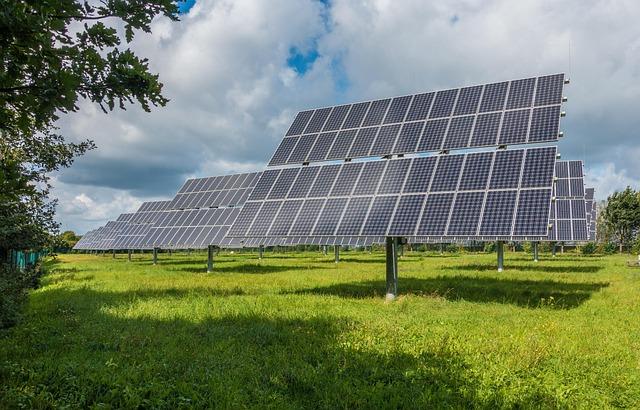
Largest Solar Project North of Las Vegas Canceled Amid Regulatory Obstacles
The plan to construct what would have been the United States’ largest solar power installation just north of Las Vegas has been officially terminated.This ambitious endeavor, designed to considerably enhance the region’s renewable energy capacity and support sustainability targets, was ultimately derailed by complex regulatory hurdles. Prolonged permitting delays, environmental compliance issues, and local opposition combined to halt progress indefinitely, illustrating the friction between clean energy aspirations and regulatory frameworks.
Primary reasons behind the project’s cancellation:
- Extended multi-agency approval timelines
- Concerns over land conservation and disruption to native wildlife habitats
- Intensified oversight from state and federal environmental authorities
- Community resistance due to potential impacts on local land use
| Project Element | Planned Specification | Current Status |
|---|---|---|
| Site Area | Over 2,000 acres | Terminated |
| Projected Capacity | 500 MW | Indefinitely suspended |
| Target Completion Year | 2025 | Not applicable |
Environmental and Economic Consequences of Project Termination
The abandonment of this large-scale solar initiative represents a considerable obstacle to the region’s clean energy ambitions. From an environmental standpoint, the project’s cancellation means forfeiting an annual reduction of approximately 480,000 metric tons of CO₂ emissions-comparable to removing nearly 100,000 passenger vehicles from circulation. This setback threatens Nevada’s trajectory toward its 2050 carbon neutrality goals by prolonging dependence on fossil fuel-based power generation.Moreover, the project would have conserved an estimated 25 million gallons of water annually, a critical benefit in the drought-prone southwestern United States.
- Annual carbon dioxide reduction forecast: 480,000 metric tons
- Equivalent number of cars taken off roads: Approximately 100,000
- Water savings per year: 25 million gallons
On the economic front, the cancellation results in the loss of thousands of construction jobs and hundreds of permanent positions, alongside billions in capital investment that would have stimulated local economies. The project was projected to inject around $350 million into the regional economy during its advancement phase, supporting businesses and infrastructure recovery post-pandemic. Additionally, Nevada misses out on enhanced energy autonomy and potential revenue streams from exporting surplus renewable power.
| Economic Factor | Estimated Impact |
|---|---|
| Capital investment during construction | $350 million |
| Construction phase employment | 2,500 jobs |
| Long-term operational jobs | 300 positions |
| Annual local tax revenue | $5 million |
Stakeholder Reactions and Policy Considerations for Clean Energy Progress
The cancellation has sparked a spectrum of responses from various stakeholders, underscoring the delicate balance between environmental stewardship, economic development, and community interests. Local residents have largely welcomed the decision, citing concerns about potential ecological disturbances and changes to the landscape. In contrast, renewable energy proponents and industry leaders have condemned the halt as a major impediment to regional decarbonization efforts and green job creation.
Summary of stakeholder perspectives:
- Environmental organizations: Divided between support for renewable energy and worries about habitat loss
- Local authorities: Focused on community welfare and infrastructure capacity
- Energy industry representatives: Advocating for clearer policies and sustained renewable incentives
- Investors: Concerned about increased uncertainty impacting future funding
Experts in energy policy emphasize that this outcome highlights the necessity for more adaptive regulatory systems that incorporate community feedback without stalling progress toward national clean energy objectives. Future frameworks should prioritize:
- Coordinated planning among federal, state, and local agencies
- Balanced incentives that promote development while safeguarding ecosystems
- Obvious engagement to foster public trust and collaboration
- Flexible approaches responsive to technological innovation and market dynamics
| Stakeholder Group | Main Concern | Implications for Future Policy |
|---|---|---|
| Local Communities | Environmental preservation | Stronger mandates for community involvement |
| Renewable Energy Advocates | Advancement of clean energy | Legislative safeguards to ensure project continuity |
| Government Officials | Infrastructure and economic impact | Strategic investments in supporting infrastructure |
| Financial Backers | Investment risk | Clearer risk mitigation and incentive structures |
Strategies to Revitalize Large-Scale Solar Projects in the Area
Reviving large solar initiatives like the recently canceled project requires a multifaceted approach emphasizing collaboration and innovation. Establishing robust public-private partnerships can diversify funding sources and enhance project resilience. Engaging closely with local governments and indigenous groups can streamline permitting and ensure alignment with community values. Additionally, adopting innovative financial tools such as green bonds and enhanced tax credits can attract private capital, reducing reliance on federal subsidies.
Critical focus areas for future success:
- Upgrading grid infrastructure to handle variable solar generation efficiently
- Developing complete community engagement programs to foster clarity and trust
- Investing in workforce training tailored to renewable energy technologies and operations
| Initiative | Anticipated Benefit |
|---|---|
| Public-Private Collaboration | Enhanced financial stability and project durability |
| Grid Modernization | Greater energy reliability and integration capacity |
| Community Involvement | Improved local support and expedited regulatory approvals |
Conclusion
The termination of the largest planned solar installation north of Las Vegas represents a meaningful hurdle for renewable energy expansion in the southwestern United States. As stakeholders reevaluate the project’s feasibility and environmental implications, the future of large-scale solar development in the region remains uncertain. This case exemplifies the intricate challenges of balancing ambitious clean energy goals with local environmental and social considerations, underscoring the need for adaptive policies and collaborative approaches to advance the nation’s sustainable energy transition.