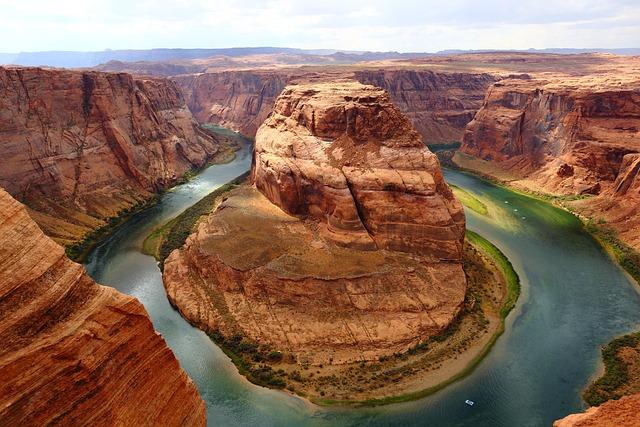
Colorado River Crisis: Accelerated Efforts to Secure Sustainable Water Management
Imminent Deadline Spurs Swift Action Among Colorado River Stakeholders
The Colorado River, a lifeline for over 40 million people across the Southwestern U.S.,is confronting historic lows in water levels due to prolonged drought and excessive consumption.This alarming situation has compelled federal and state leaders, alongside tribal representatives, to expedite negotiations on a comprehensive water-sharing pact. The goal is to establish a sustainable framework that addresses the river’s shrinking reserves before irreversible damage occurs. Officials stress the urgency with the reminder that “the river’s fate won’t wait for our deliberations.”
Representatives from California, Arizona, Nevada, and various tribal nations have engaged in a series of emergency meetings to hammer out critical decisions on water allocation limits, conservation mandates, and equitable usage adjustments. Achieving consensus by the looming deadline is vital not only to unlock federal funding for drought relief projects but also to avoid more stringent government interventions.
The negotiations involve tough compromises, particularly balancing reductions in agricultural water use with the protection of urban water supplies. Interim strategies proposed to stabilize reservoir levels during this transitional phase include:
- Financial incentives encouraging voluntary cutbacks in water consumption
- Improved state-level water use tracking and compliance reporting
- Accelerated deployment of water-efficient infrastructure
- Expanded tribal participation in water governance decisions
| Region/Group | Targeted Water Use Reduction | Commitment Deadline |
|---|---|---|
| California | 15% | June 15, 2024 |
| Arizona | 18% | June 15, 2024 |
| Nevada | 12% | June 15, 2024 |
| Tribal Nations | Under Negotiation | June 30, 2024 |
Integrating Water Demand Management with Ecosystem Preservation in the Colorado Basin
The Colorado River basin’s escalating water scarcity presents a formidable challenge: meeting the growing needs of urban centers, agriculture, and tribal communities while safeguarding the river’s fragile ecosystems. The 2024 water management agreement emphasizes proactive measures to curb consumption, bolster conservation, and protect habitats essential for native fish and wildlife.
Federal and state agencies are championing initiatives such as advanced irrigation technologies, groundwater replenishment programs, and infrastructure upgrades designed to enhance drought resilience. These efforts aim to mitigate the long-term impacts of climate variability and water shortages.
Key conservation objectives include:
- Revitalizing riparian corridors to boost biodiversity and improve water quality
- Establishing cooperative water-sharing frameworks among agricultural, urban, and tribal users
- Deploying cutting-edge monitoring systems for real-time water usage tracking
- Promoting sustainable growth practices in rapidly expanding communities
| Sector | 2024 Reduction Goal | Environmental Impact |
|---|---|---|
| Agriculture | 15% | Enhanced soil conservation and reduced runoff |
| Urban Areas | 20% | Lowered pressure on municipal water systems |
| Tribal Lands | 10% | Strengthened protection of cultural and natural resources |
Obstacles Impeding Progress in Colorado River Water Management Talks
Negotiations over the Colorado River’s future are complicated by a web of conflicting interests and external pressures. Agricultural stakeholders often clash with urban planners over water distribution, while environmental groups advocate for urgent restoration of endangered ecosystems. Meanwhile, climate change introduces unpredictable variables that threaten to worsen drought severity and complicate long-term planning.
Several critical challenges are hindering timely agreement:
- Longstanding disputes over water rights that create legal deadlocks
- Insufficient funding for infrastructure upgrades and conservation programs
- Political tensions among states with divergent priorities
- Gaps in data accuracy and availability, limiting effective water management
Experts warn that without coordinated and swift action to overcome these barriers, the consequences could extend beyond water shortages-impacting agriculture, energy production, and regional economies throughout the Southwest.
| Issue | Effect | Primary Stakeholders |
|---|---|---|
| Water Rights Conflicts | Legal stalemates delaying solutions | Farmers, State Governments |
| Funding Deficits | Slow progress on conservation efforts | Federal and Local Authorities |
| Political Disagreements | Reduced inter-state cooperation | State Officials, Legislators |
| Climate Uncertainty | Variable and unpredictable water supply | Environmental Advocates, Scientists |
Expert Insights: Embracing Cooperation and Innovation to Secure the River’s Future
Specialists in water resource management emphasize that overcoming the Colorado River’s challenges requires a unified, collaborative approach. Partnerships among states, tribal nations, and federal agencies are essential to effectively steward the basin’s diminishing water resources. Experts advocate for adaptive management frameworks that can respond flexibly to changing climate conditions and water availability.
Recommended strategies include shared investments in water-saving technologies,coordinated reservoir operations,and enhanced data-sharing platforms to improve transparency and decision-making.
Highlighted collaborative initiatives:
- Integrated watershed management promoting regional cooperation
- Joint conservation programs targeting reductions in agricultural and urban water use
- Expanded drought contingency planning with broad stakeholder engagement
- Incentives for innovation in water efficiency and reuse technologies
| Approach | Objective | Anticipated Outcome |
|---|---|---|
| Reservoir Management Coordination | Optimize storage and release schedules | Reduce shortages during drought periods |
| Conservation Incentives | Promote efficient water use practices | Lower overall water demand |
| Data Sharing Networks | Enhance forecasting and transparency | Enable timely responses to water scarcity |
Conclusion: A Critical Juncture for the Colorado River’s Sustainability
As the Colorado River basin grapples with dwindling water supplies amid intensifying drought and climate pressures, the imperative to finalize a binding, forward-looking agreement has never been more pressing. With a firm deadline set, stakeholders must navigate complex negotiations to secure a sustainable future for this vital resource.The decisions made in the coming weeks will profoundly influence the livelihoods of millions and the ecological health of the region-underscoring the reality that delay is no longer an option.