Economic Ripple Effects of Formula 1 in Las Vegas: A Closer Look at Winners and Strugglers
As the thrilling roar of Formula 1 engines fills the vibrant streets of Las Vegas, the city experiences a surge in global attention and visitor numbers. This influx has undeniably injected ample revenue into the local economy. Though,beneath the surface of this high-profile event lies a complex economic reality: while some sectors thrive,others face ongoing hardships. This article delves into the multifaceted economic impact of the F1 Grand Prix on Las Vegas, highlighting the uneven distribution of benefits and the challenges confronting smaller businesses.
Economic Gains from Formula 1: Who Truly Benefits?
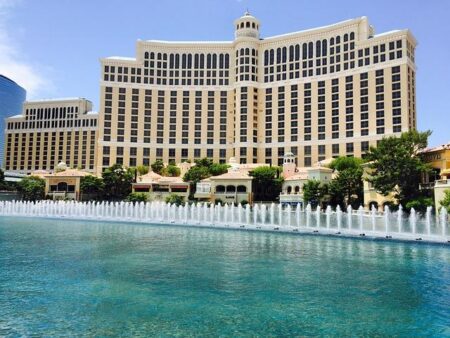
The Formula 1 Grand Prix has become a major economic driver for Las Vegas, attracting hundreds of thousands of visitors and generating millions in revenue. Luxury resorts and flagship casinos along the Strip report record-breaking occupancy rates and premium package sales, capitalizing on the event’s international allure. For instance, the Wynn and Bellagio have seen revenue increases exceeding 30% during race weekends in 2024, according to recent hospitality reports.
Conversely, many small and mid-sized businesses, especially those located outside the main tourist corridors, report stagnant or declining sales. Factors such as restricted access due to road closures, inflated operational costs, and competition from large-scale corporate activations have created barriers to capitalizing on the event’s economic momentum.
Obstacles Faced by Smaller Enterprises
- Escalating rental fees and logistical expenses driven by heightened security and event infrastructure.
- Temporary street blockades that limit customer flow and disrupt supply deliveries.
- Intense competition from branded pop-up venues and entertainment complexes sponsored by multinational corporations.
| Sector | Economic Impact | Typical Race Weekend Dynamics |
|---|---|---|
| High-End Hotels & Casinos | +30% revenue increase | Sold-out rooms, exclusive event experiences |
| Neighborhood Restaurants & Bars | Varied: +20% near Strip, -12% in outlying areas | Longer operating hours vs. reduced patronage |
| Local Retailers & Souvenir Shops | -7% sales decline | Supply chain interruptions, higher rents |
Small Business Struggles Amidst the Racing Frenzy
Despite the surge in visitors during Formula 1 weekends, many local entrepreneurs report that the economic uplift is not translating into tangible benefits for their operations. The concentration of tourists around major venues leaves peripheral businesses with limited exposure. Additionally, rising costs for supplies and labor shortages exacerbate financial pressures, making profitability elusive during peak event periods.
Primary Challenges Highlighted by Local Owners
- Restricted Customer Access: Tourist foot traffic predominantly favors central race locations, sidelining off-Strip businesses.
- Cost Inflation: Operational expenses rise without a proportional increase in sales.
- Marketing Limitations: Smaller budgets hinder competitive advertising against large-scale corporate campaigns.
| Business Category | Sales Trend | Core Concern |
|---|---|---|
| Self-reliant Restaurants | ↓ 6% | Delays in supply deliveries |
| Local Retail Outlets | Stable | Limited marketing reach |
| Cafés and Coffee Shops | ↓ 11% | Customer diversion to casinos and event venues |
Calls for Inclusive Economic Strategies from Local Entrepreneurs
Amid the global spotlight on Las Vegas, many small business owners voice concerns about the disproportionate economic gains favoring large corporations. The surge in visitors has intensified competition and operational costs, squeezing profit margins for community-based enterprises. Without tailored support, these businesses risk being marginalized despite the city’s overall economic growth.
Entrepreneurs advocate for comprehensive recovery plans that address their unique challenges, emphasizing the need for infrastructure improvements and flexible financial assistance.
Key Support Requests from Local Business Owners
- Affordable Financing: Access to low-interest loans and credit lines to stabilize cash flow year-round.
- Collaborative Marketing: Joint promotional efforts that elevate local brands alongside major event sponsors.
- Community Revitalization Investments: Enhancements to neighborhoods beyond the Strip to stimulate broader consumer engagement.
| Industry | Impact Experienced | Desired Assistance |
|---|---|---|
| Hospitality | Rising operational expenses | Utility subsidies and tax relief |
| Retail | Declining regular clientele | Cooperative advertising campaigns |
| Food & Beverage | Increased supply costs | Group purchasing programs |
Bridging the Economic Divide: Expert Recommendations for Strategic Alliances
Industry analysts emphasize that the key to equitable economic benefits lies in fostering strategic collaborations among international brands, event organizers, and local businesses. Such partnerships can amplify the visibility and resources available to smaller enterprises, transforming the fragmented economic landscape into a more cohesive and inclusive ecosystem.
Proposed initiatives include creating platforms where local vendors can showcase their products directly to event stakeholders and launching incubator programs to enhance business capabilities and marketing effectiveness.
| Partner Group | Role & Contribution | Advantages for Local Businesses |
|---|---|---|
| Global Brands | Investment and sponsorship funding | Broadened market access and co-branding opportunities |
| Event Organizers | Provision of prime event spaces and promotional channels | Increased foot traffic and sales during events |
| Local Vendors | Authentic products and community engagement | Enhanced reputation and sustainable partnerships |
- Shared Marketing Efforts: Pooling resources to develop comprehensive advertising campaigns.
- Capacity Advancement: Workshops and training sessions led by corporate partners to boost business skills.
- Innovative Revenue Models: Financial frameworks that ensure ongoing income streams for local enterprises.
Conclusion: Navigating the Dual Realities of Growth and Challenge
As Formula 1 continues to captivate global audiences and elevate Las Vegas’s profile as a premier entertainment destination, the economic benefits remain unevenly spread. While luxury hotels and major casinos reap substantial rewards, many local businesses face persistent financial hurdles. This duality highlights the intricate balance required when hosting large-scale international events in urban settings, where prosperity and strain often coexist. Moving forward, collaborative efforts and targeted support will be essential to ensure that the excitement of the race translates into inclusive economic growth for the entire Las Vegas community.