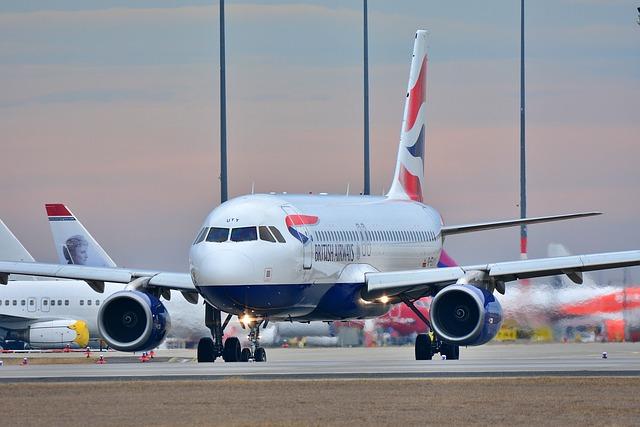
Widespread Flight Cancellations Shake U.S. Air Travel Amid Government Shutdown
Over the recent weekend,the U.S. aviation sector experienced a notable upheaval as more than 2,500 flights were abruptly canceled, causing major disruptions across the country’s busiest airports. This surge in cancellations is closely linked to the ongoing federal government shutdown, which has severely hampered essential airport functions and air traffic control operations. The shutdown’s impact extends beyond federal employees, affecting millions of travelers and highlighting the fragile interdependence between government services and commercial aviation.
Key factors contributing to this disruption include the absence of critical FAA personnel such as air traffic controllers and safety inspectors, whose roles are vital for maintaining flight schedules and ensuring passenger safety. The resulting operational challenges have forced airlines to make challenging decisions, including cutting flights and prioritizing routes.
- Thousands of passengers facing prolonged delays and cancellations
- Increased pressure on airline customer support and airport ground teams
- Disrupted crew rotations leading to staffing shortages
- Escalating operational expenses for airlines
In response, airlines are urgently adjusting their operational plans, focusing on essential flights and collaborating with federal agencies to alleviate the crisis. This situation underscores the aviation industry’s vulnerability to federal workforce disruptions during funding lapses.
| Airline | Number of Canceled Flights | Primary Affected Hub |
|---|---|---|
| American Airlines | 850 | Dallas/Fort Worth |
| Delta Air Lines | 620 | Atlanta |
| United Airlines | 540 | Chicago O’Hare |
| Southwest Airlines | 520 | Las Vegas |
Tourism and Passenger Experience Hit Hard in Major U.S.Destinations
The cancellation of thousands of flights over the weekend has severely disrupted travel itineraries,with Las Vegas-one of the nation’s top tourist and business hubs-bearing a disproportionate share of the impact. Travelers encountered long delays, missed connections, and frantic efforts to secure option flights, fueling widespread dissatisfaction.This turmoil also translated into reduced visitor numbers for hotels, casinos, and entertainment venues, which rely heavily on consistent tourist inflows.
Notable repercussions include:
- Overcrowded airports due to rebooking surges and customer service demands
- Economic setbacks for local businesses dependent on tourism revenue
- Sharp increases in last-minute accommodation and transportation costs
The shutdown’s effects ripple beyond Las Vegas, disrupting air traffic to other key cities and threatening prolonged economic strain on the travel and hospitality sectors if the impasse persists.
| Destination | Flights Canceled | Tourism Impact Level |
|---|---|---|
| Las Vegas | 850+ | Severe |
| Orlando | 600+ | Moderate |
| New York City | 500+ | Severe |
| Los Angeles | 550+ | Moderate |
Underlying Operational Issues and Staffing Gaps Intensify Flight Disruptions
The recent wave of cancellations has brought to light persistent operational hurdles within U.S. airlines, compounded by acute shortages in critical staffing areas. Beyond the immediate effects of the government shutdown, airlines continue to struggle with a depleted workforce of pilots, cabin crew, and ground staff-a challenge rooted in pandemic-era hiring freezes and ongoing recruitment difficulties.
Several key contributors to this staffing crisis include:
- Hiring slowdowns and training delays: Airlines curtailed recruitment during the COVID-19 pandemic, creating a talent deficit that remains unresolved.
- Employee fatigue and turnover: Overworked staff face burnout,leading to increased absenteeism and resignations.
- Government shutdown repercussions: Interruptions in air traffic control and security screening processes further complicate flight management.
| Operational Challenge | Resulting Impact |
|---|---|
| Pilot Shortage | Increased flight delays and cancellations |
| Security Screening Delays | Longer boarding times and missed connections |
| Low Workforce Morale | Higher rates of sick leave and staff turnover |
Practical Tips for Travelers to Handle Flight Cancellations and Delays
In the face of widespread flight disruptions, travelers must adopt proactive strategies to minimize inconvenience.Staying alert to early notifications and closely monitoring airline updates can significantly reduce the impact of cancellations or delays. Utilizing airline mobile apps and airport alert systems provides real-time facts,enabling passengers to promptly adjust their travel plans.
Adaptability is crucial-being open to alternative routes, layovers, or nearby airports can ease travel stress. Additionally, understanding airline policies regarding refunds, vouchers, and travel insurance-especially coverage related to government shutdowns-can safeguard travelers’ interests.
Below is a quick guide outlining essential steps travelers should take when confronted with flight changes:
| Recommended Action | Benefit |
|---|---|
| Reach out to airline customer support instantly | Access earliest possible rebooking options |
| Explore flights from alternative nearby airports | Enhance chances of securing available seats |
| Review travel insurance coverage and refund policies | Ensure eligibility for compensation or reimbursement |
| Utilize airport lounges or designated waiting areas | Maintain comfort during extended delays |
Conclusion: Government Shutdowns and the Future of U.S. Air Travel
As the federal government shutdown persists, its disruptive effects on the U.S. travel industry remain starkly evident, with over 2,500 flights canceled in a single weekend alone. This turmoil has left thousands of passengers stranded and placed immense pressure on airlines and airports striving to maintain operations amid funding uncertainties. Without a swift resolution, travelers should prepare for ongoing disruptions by staying informed and flexible. This episode serves as a potent reminder of how political stalemates can ripple through critical infrastructure, underscoring the need for stable governance to support the nation’s transportation networks.