Analyzing Noise Pollution in Las Vegas: How It Compares to Other Major U.S. Cities
Understanding Urban Noise Pollution Across America
Noise pollution has become an intrinsic part of urban living, influencing not only the daily experiences of city dwellers but also impacting public health and local ecosystems. Metropolitan areas characterized by vibrant nightlife, heavy traffic, and ongoing construction projects often register the highest decibel levels. These complex sound environments reflect the dynamic nature of city life but also present significant challenges for urban planners striving to enhance residents’ quality of life while supporting economic growth.
Several U.S. cities are frequently highlighted for their elevated noise levels, each shaped by distinct sources:
- New York City: The constant din of traffic horns, subway trains, and street crowds makes it one of the loudest urban centers nationwide.
- Los Angeles: Extensive freeway systems combined with persistent construction contribute heavily to its noise footprint.
- Chicago: The interplay of gusty winds, elevated trains, and busy highways intensifies its ambient sound levels.
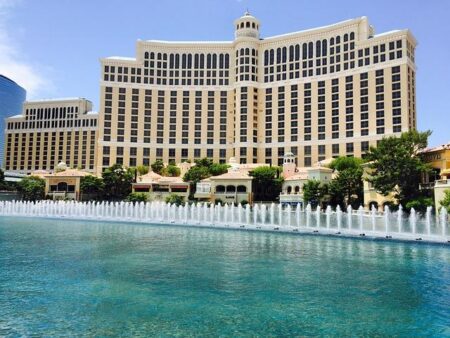
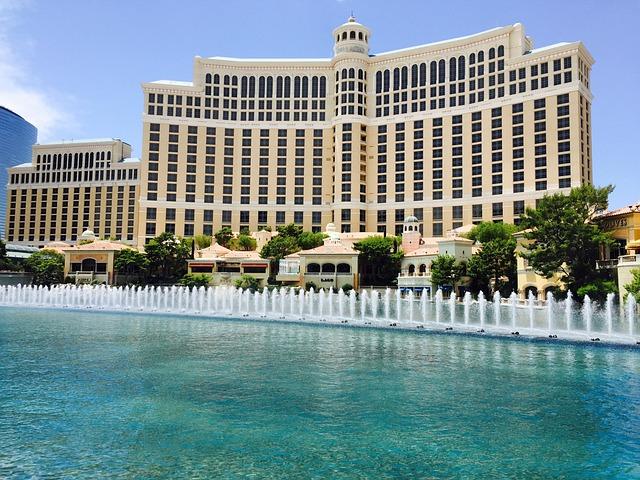
- Las Vegas: Renowned for its round-the-clock casinos and entertainment venues, the city’s soundscape mirrors its energetic nightlife.
| City | Average Noise Level (dB) | Main Noise Contributors |
|---|---|---|
| New York City | 76 | Traffic and Subway Systems |
| Los Angeles | 73 | Freeways and Construction |
| Chicago | 71 | Trains and Wind |
| Las Vegas | 69 | Nightlife and Casinos |
Comparing Las Vegas’ Noise Levels with Other Major Cities
While Las Vegas is often perceived as a city that never sleeps, its average noise levels are slightly lower than those of larger metropolitan hubs like New York and Los Angeles. The city’s compact entertainment district, known as the Strip, intensifies sound propagation, especially during weekends and major events. Despite having less vehicular congestion than some larger cities, Las Vegas experiences spikes in noise due to tourism influxes and conventions.
Key elements shaping Las Vegas’ noise surroundings include:
- Tourism and Events: Large gatherings and frequent shows elevate ambient noise, particularly during peak seasons.
- Urban Design: The dense layout of the Strip causes sound to bounce and amplify across venues.
- Traffic Fluctuations: Though lighter than in mega-cities, traffic surges during conventions contribute to noise spikes.
| City | Average Daytime Noise (dB) | Dominant Noise Sources |
|---|---|---|
| New York | 70 | Traffic,Subways,Street Activity |
| Los Angeles | 68 | Traffic,Airports,Nightlife |
| Las Vegas | 65 | Casinos,Entertainment,Tourism |
| Chicago | 66 | Traffic,Industrial Areas,Events |
Health and Wellbeing Consequences of Urban Noise Exposure
Continuous exposure to elevated noise levels in cities like Las Vegas can have profound effects on residents’ physical and mental health. Persistent noise triggers stress responses, increasing the likelihood of cardiovascular problems such as hypertension and heart disease. Moreover, disrupted sleep patterns caused by ambient noise reduce restorative rest, leading to fatigue and weakened immune defenses.
Beyond physical health, noise pollution also undermines cognitive and emotional wellbeing. Individuals living in noisy environments often report difficulties concentrating, heightened anxiety, and social withdrawal. The cumulative impact can diminish overall life satisfaction and community engagement.
- Impaired focus and reduced productivity in educational and professional settings
- Increased irritability and social isolation due to ongoing disturbances
- Decreased enjoyment of outdoor spaces and neighborhood activities
| Health Impact | Associated Risks |
|---|---|
| Chronic Stress | Elevated cortisol,increased heart disease risk |
| Sleep Disturbance | Fatigue,compromised immune response |
| Cognitive Decline | Reduced attention span,lower performance |
| Mental Health Effects | Anxiety,irritability,social withdrawal |
Strategies to Mitigate Noise Pollution in Las Vegas Communities
Addressing the rising noise levels in Las Vegas requires a collaborative approach involving policymakers,urban planners,and residents. Implementing physical barriers such as sound walls along busy roads can substantially reduce traffic noise infiltration into neighborhoods. Additionally,adopting noise-absorbing pavement materials in high-traffic areas can help lower tire and engine sounds.
Residents can also take proactive steps to create quieter living environments:
- Incorporating Vegetation: Planting thick shrubs and trees around homes acts as a natural sound buffer.
- Advocating for Enforcement: Working with local authorities to ensure stricter compliance with noise regulations, especially for nightlife venues and construction sites.
- Home Insulation: Installing double-glazed windows and sealing gaps to minimize external noise penetration.
| Intervention | Effectiveness | Implementation Ease |
|---|---|---|
| Sound Barriers | High | Moderate |
| Vegetation Planting | Medium | High |
| Noise Ordinance Enforcement | High | Variable |
| Window Insulation | Medium | High |
Final Thoughts on Las Vegas’ Noise Environment
Data indicates that Las Vegas ranks among the top noisy cities in the United States, a testament to its lively entertainment culture and nonstop activity. While these sounds contribute to the city’s unique identity, they also present challenges for residents seeking tranquility. Recognizing Las Vegas’ position relative to other urban centers highlights the ongoing need to balance excitement with livability. As the city continues to expand, prioritizing noise pollution management will be essential for fostering healthier, more pleasant communities.