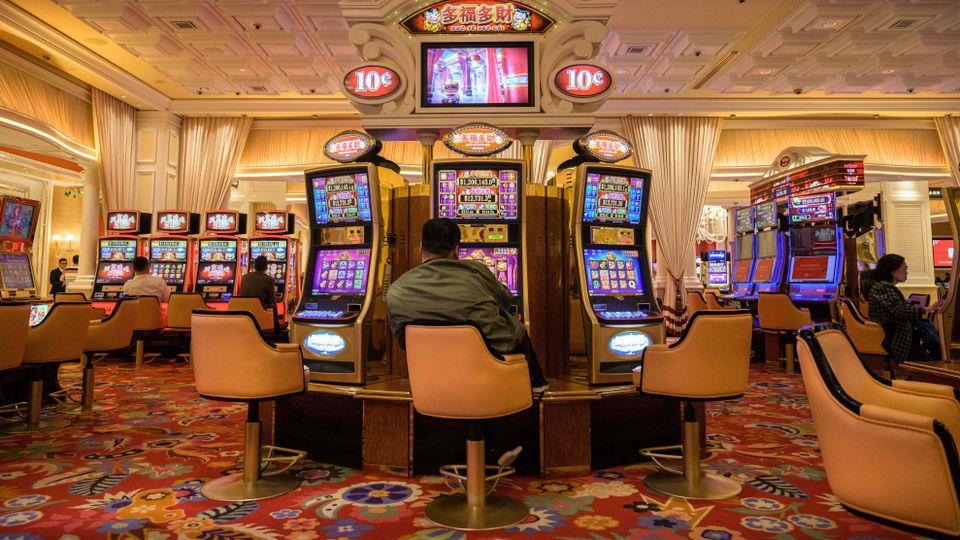
How the COVID-19 Pandemic Transformed the Casino Industry: Challenges and Adaptations
Global Casino Closures Amid the COVID-19 Crisis
As COVID-19 rapidly spread worldwide, casinos-once bustling centers of entertainment and social interaction-were forced to cease operations entirely.From iconic gambling destinations like Las Vegas and Macau to emerging hubs such as Singapore, temporary shutdowns became the norm to mitigate virus transmission. This unprecedented pause not only halted gaming activities but also sent shockwaves through the broader hospitality, tourism, and entertainment sectors that depend heavily on casino patronage.
The immediate consequences for casino operators were profound, including:
- Sharp revenue declines: With gaming tables empty and slot machines inactive, daily income plummeted.
- Workforce reductions: Many employees faced furloughs or layoffs, raising concerns about job security.
- Interrupted supply chains: Vendors and service providers experienced contract suspensions and delayed payments.
| Region | Casinos Closed | Estimated Daily Revenue Loss |
|---|---|---|
| Las Vegas | 30 | $150 million |
| Macau | 41 | $200 million |
| Atlantic City | 9 | $40 million |
| Singapore | 2 | $25 million |
Ripple Effects on Casino Staff and Local Economies
The abrupt cessation of casino operations left tens of thousands of workers-from dealers and servers to security personnel-without steady income.Many employees had to seek government aid or alternative employment as their livelihoods vanished overnight. The economic shockwaves extended beyond the casino floors, severely impacting local businesses such as eateries, retail outlets, and transportation services that thrive on casino-generated foot traffic.
Key economic impacts include:
- Over 30,000 casino workers furloughed or dismissed within a short span.
- Tourism revenues in affected regions dropped by as much as 40%.
- Small enterprises reliant on casino visitors reported significant downturns.
| Sector | Reported Decline | Short-Term Outlook |
|---|---|---|
| Casino Employment | 65% | Gradual recovery anticipated |
| Local Retail Sales | 45% | Fluctuates with reopening phases |
| Tourism Visits | 50% | Dependent on evolving health protocols |
Revolutionizing Health and Safety Standards in Casinos
The pandemic compelled the gaming industry to rethink and elevate its health and safety measures drastically. Enhanced cleaning regimens, mandatory social distancing, and health screenings at entry points have become integral to casino operations. These changes not only address immediate public health imperatives but also establish a new operational baseline for an industry traditionally reliant on close human interaction.
To balance safety with entertainment, casinos have embraced innovative technologies such as contactless payments, AI-powered crowd monitoring, and upgraded air filtration systems to minimize airborne virus transmission. The table below contrasts pre-pandemic practices with current protocols:
| Protocol | Before COVID-19 | After COVID-19 |
|---|---|---|
| Cleaning Frequency | Once daily | Sanitization every hour |
| Guest Interaction | Close contact,no barriers | Physical distancing with protective screens |
| Entry Procedures | No health checks | Temperature scans and health questionnaires |
| Payment Options | Cash and card payments | Contactless wallets and digital tokens |
- Mandatory face coverings for all guests and staff.
- Reduced occupancy limits to prevent overcrowding.
- Thorough staff training on hygiene and emergency protocols.
Innovative Approaches for Post-Pandemic Casino Resilience
In the wake of the pandemic, casinos are reinventing themselves to meet new consumer expectations and health requirements. Investing in robust digital platforms has become essential, enabling patrons to enjoy gaming remotely while physical venues implement stringent safety measures. Transparent dialog and flexible service options are critical to restoring customer trust and loyalty.
Emerging strategies shaping the industry’s recovery include:
- Touch-free transactions: Mobile betting apps and cashless payments reduce physical contact.
- Blended entertainment formats: Integrating live events with virtual participation to expand reach.
- Personalized marketing: Utilizing data analytics to customize offers and enhance player engagement.
- Eco-conscious operations: Adopting sustainable practices to appeal to environmentally aware customers.
| Strategy | Expected Benefit |
|---|---|
| Virtual Reality Gaming | Enhances player immersion and engagement |
| Flexible Reservation Policies | Encourages bookings despite ongoing uncertainties |
| Sanitation Stations | Boosts customer confidence in safety measures |
Looking Ahead: The Future of Gambling in a Post-Pandemic World
The COVID-19 pandemic has irrevocably altered the casino landscape, highlighting vulnerabilities but also catalyzing innovation. As gaming floors remain quieter than before, the industry faces the challenge of adapting to evolving public health guidelines and shifting consumer preferences. The path forward will require a delicate balance of safety, technology integration, and customer-centric strategies to ensure casinos not only survive but thrive in a transformed world of leisure and risk-taking.