
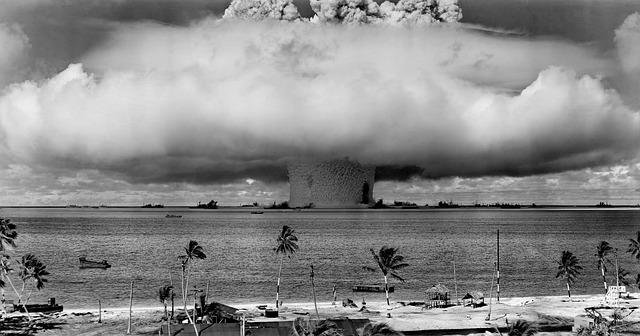
The U.S.Army is set to carry out the controlled detonation of its stockpile of bomb-making chemicals in Iowa on the day before Thanksgiving, according to a recent announcement. The operation, aimed at safely disposing of volatile materials, has prompted coordination with local authorities to ensure public safety. This rare and notable event highlights ongoing efforts to manage hazardous military substances while minimizing risks to surrounding communities.
Army to Conduct Controlled Detonation of Bomb-Making Chemicals in Iowa
In a move aimed at enhancing public safety, the U.S. Army is scheduled to perform a controlled detonation of a significant stockpile of bomb-making chemicals held in Iowa. This operation, set for the day before Thanksgiving, is part of a broader effort to safely dispose of hazardous materials that pose a risk to communities if left unsecured. The controlled explosion will be conducted under stringent safety protocols to minimize environmental impact and protect nearby residents.
Officials have outlined key details and safety measures for the event:
- Date and Time: Scheduled for late November, just prior to the Thanksgiving holiday.
- Location: A secured military facility in Iowa, chosen for its isolation and safety infrastructure.
- Safety Measures: Evacuation perimeters, air quality monitoring, and real-time communication with local authorities.
- Environmental Considerations: Deployment of specialists to manage any potential contamination and ensure compliance with federal regulations.
| Aspect | Details |
|---|---|
| Chemical Types | Explosives Precursors & Stabilizers |
| Duration of Operation | Approx. 4 hours |
| Safety Radius | 5 miles |
| Monitoring Units | Environmental & Health Agencies |
Safety Measures and Community Precautions Ahead of the Explosion
Local authorities,in close coordination with the U.S. Army, have instituted a series of stringent safety protocols to ensure the controlled detonation proceeds without incident. Surrounding areas will experience temporary evacuation zones with clear signage and monitored access to safeguard residents and passersby. Emergency response teams will be stationed strategically, equipped with real-time communication tools to act swiftly in case of unexpected developments.
Residents are advised to adhere to official notifications and avoid the designated perimeter during the scheduled explosion timeframe. Key precautions include:
- Heed evacuation orders: All individuals within the designated radius should relocate as instructed by local officials.
- Avoid unnecessary travel: Roads around the detonation site will be temporarily closed.
- Wear masks and eye protection: Small particulate matter may disperse briefly post-detonation.
- Stay tuned to local media: Updates and safety announcements will be broadcast continuously.
| Safety Zone | Distance from Site | Access Status |
|---|---|---|
| Immediate Perimeter | 0-1 mile | Evacuation Required |
| Buffer Zone | 1-3 miles | Restricted Access |
| Observation Area | 3-5 miles | Open with Caution |
Environmental Impact Assessment and Mitigation Strategies
The U.S. Army has undertaken comprehensive environmental impact assessments to anticipate and address potential ecological disturbances from the planned detonation of a stockpile of bomb-making chemicals in Iowa.These studies evaluated the risk to air quality,soil contamination,and nearby water sources. Airborne particulates and chemical residues are expected to be closely monitored, with data collection before, during, and after the detonation to ensure adherence to environmental safety standards. The Army has pledged obvious cooperation with state environmental agencies to mitigate unforeseen consequences and reduce public concern.
Key mitigation strategies include:
- Buffer zones: Establishment of secure perimeters to minimize exposure to nearby populations and wildlife.
- Air filtration systems: Deployment of advanced filtration for facilities involved in storage and handling.
- Water protection: Implementation of containment measures to prevent runoff contamination into local waterways.
- Continuous monitoring: Real-time environmental monitoring stations will track changes to air and soil quality.
| Mitigation Measure | Purpose | Status |
|---|---|---|
| Buffer Zones | Safe distance to protect community | In place |
| Filtration Systems | Reduce airborne contaminants | Operational |
| Water Containment | Prevent water pollution | Under setup |
| Environmental Monitoring | Continuous impact assessment | Active |
Guidance for Residents on Staying Informed and Ensuring Personal Safety
Residents in the vicinity of the scheduled detonation are advised to stay vigilant and prioritize their safety. Authorities recommend monitoring official updates through reliable channels such as local government websites, emergency alert systems, and trusted news sources.Staying indoors during the operation and avoiding unnecessary outdoor activities can substantially reduce potential exposure to any residual or incidental effects stemming from the controlled explosion.
Key safety measures to follow include:
- Keep windows and doors securely closed to prevent airborne particles from entering your home.
- Ensure children and pets are kept indoors and remain calm.
- Prepare an emergency kit with essentials such as water, medications, and flashlights.
- Follow any evacuation instructions or advisories issued by local emergency management officials promptly.
| Time | Recommended Action | Source for Updates |
|---|---|---|
| 24 hours prior | Prepare emergency supplies and review safety plans | Local government website |
| 12 hours prior | Stay tuned to news and alerts; limit outdoor activities | Emergency alert system |
| During detonation | Remain indoors with windows shut; avoid travel | Official social media channels |
Future Outlook
The planned detonation of the Army’s stockpile of bomb-making chemicals in Iowa underscores ongoing efforts to safely dispose of hazardous materials while minimizing risks to nearby communities. Scheduled for the day before Thanksgiving, the operation will be closely monitored by military and environmental agencies to ensure public safety. As the Army proceeds with this critical mission, residents and officials remain vigilant, balancing necessary defense measures with community well-being. Further updates will follow as the situation develops.