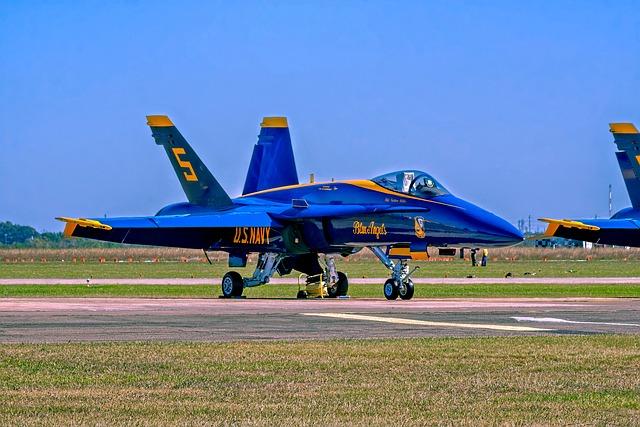
Nevada has launched a competitive bid to become the new home of the U.S. Space Academy, positioning itself against a number of other states vying for the prestigious federal program. The initiative is seen as a strategic move to boost the state’s educational and technological profile, while also bringing significant economic benefits to the region. As the decision process unfolds, Nevada’s proposal highlights its unique assets and commitment to advancing aerospace education and innovation.
Nevada Positions Itself as Premier Location for U.S. Space Academy Headquarters
Nevada is strategically positioning itself as the top contender to host the U.S. Space Academy headquarters, capitalizing on its unique blend of advanced infrastructure, favorable business environment, and proximity to key aerospace partners. Officials emphasize the state’s commitment to innovation,citing ongoing investments in STEM education and technology hubs designed to support space exploration and defence sectors. This move is seen as a significant step to drive economic growth while fostering new opportunities for workforce development in high-tech industries.
Key advantages Nevada offers include:
- Robust aerospace ecosystem with established contractors and startups
- Access to military installations and test ranges
- Competitive tax incentives and funding for research initiatives
- Strong partnership potential with universities and federal agencies
| Factor | Nevada Highlights |
|---|---|
| Location | Proximity to Edwards AFB & NASA facilities |
| Economic Incentives | Up to 25% tax credits for aerospace projects |
| Workforce | 30,000+ skilled aerospace professionals |
| Infrastructure | State-supported research parks & innovation zones |
Analyzing Competitive States and What Nevada Offers That Sets It Apart
While a number of states are vying to host the prestigious U.S. Space Academy, Nevada distinguishes itself through a combination of strategic advantages that resonate with both federal agencies and private aerospace firms. Unlike competing states, Nevada offers vast expanses of federally owned land ideal for secure aerospace testing and development. Additionally, the state’s proximity to key military bases, including Nellis Air Force Base, provides unparalleled collaborative opportunities for defense and space innovation. These factors make Nevada not only a logical hosting site but an ecosystem where aerospace educational and operational synergies can thrive.
Nevada’s commitment to fostering STEM education and its rapidly expanding tech sector further elevate its candidacy. Key differentiators include:
- Pro-business climate: Nevada boasts a tax-friendly environment with no state corporate income tax, attracting aerospace startups and established players alike.
- Robust infrastructure: Upgraded transportation networks and cutting-edge research facilities enhance accessibility and operational efficiency.
- Community support: Local governments and educators have jointly pledged resources to support the Academy’s development and integration into the community.
| Feature | Nevada | Competing States |
|---|---|---|
| Land Availability | Extensive federal lands | Limited or privately owned |
| Tax Benefits | No corporate income tax | Variable with higher rates |
| Military Proximity | Close to Nellis AFB | Varies widely |
| STEM Education Investment | Strong state initiatives | Moderate levels |
Economic and Educational Benefits Anticipated from the Academy’s Arrival
The establishment of the U.S. Space Academy in Nevada promises significant economic stimulation for the state, particularly in regions vying for revitalization.Experts project a surge in job creation, with roles spanning from construction to high-tech research positions. This influx is expected to not only reduce unemployment rates but also attract ancillary businesses such as aerospace suppliers, hospitality services, and local retail, boosting the broader economy. State officials highlight that the academy could become a cornerstone attraction, increasing tourism and national visibility.
Beyond the immediate economic impact, educational institutions anticipate an influx of resources and opportunities for students and researchers. The academy plans to partner with universities and community colleges to offer innovative STEM programs and internships, fostering a skilled workforce ready to meet the demands of the growing space industry. Key benefits include:
- Scholarships and grants targeted at underrepresented groups in aerospace
- Advanced research facilities for experimental projects and innovation
- Collaborative programs linking students with leading industry experts
| Projected Economic Impact | Educational Initiatives |
|---|---|
| 500+ new jobs in the first year | 50+ internship slots annually |
| $100M in economic investment | STEM curriculum development grants |
| 15% boost in local tourism | Monthly public science workshops |
Strategic Recommendations to Strengthen Nevada’s Bid and Secure Federal Support
To secure the U.S. Space Academy,Nevada officials must emphasize the state’s unique blend of technological infrastructure,aerospace expertise,and strategic geopolitical advantages. Bolstering partnerships with leading space industry players and academic institutions within the state will showcase Nevada’s readiness to offer a robust ecosystem for innovation and workforce development. Moreover, highlighting the state’s existing investments in aerospace manufacturing hubs and flight training facilities will reinforce its commitment to supporting long-term federal projects.
- Leverage Nevada’s established aerospace clusters to demonstrate economic impact and job creation potential.
- Engage congressional leaders early and consistently to advocate for the academy’s location within state priorities.
- Promote workforce pipelines through partnerships with community colleges and vocational programs tailored to space technologies.
- Deploy a marketing campaign targeted at federal decision-makers, illustrating Nevada’s safety, accessibility, and innovation culture.
| Key Area | Current Nevada Strength | Strategic Action |
|---|---|---|
| Aerospace Industry | Established manufacturing and R&D hubs | Increase public-private partnerships |
| Workforce Development | Skilled technicians and pilot training programs | Expand STEM education grants |
| Federal Advocacy | Strong bipartisan congressional support | Launch coordinated lobbying efforts |
In Conclusion
As the competition intensifies among states vying to host the U.S. Space Academy, Nevada’s strategic location, growing aerospace sector, and commitment to innovation position it as a formidable contender. While the final decision remains pending, the state’s bid underscores its ambitions to become a central hub for space education and industry development. Stakeholders and residents alike await the outcome,hopeful that the academy’s establishment in Nevada could catalyze new opportunities and elevate the state’s profile in the rapidly expanding space economy.