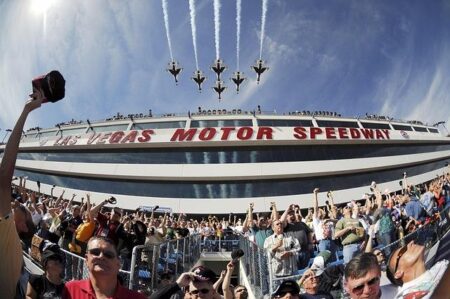
McLaren is actively seeking to turn the page on its recent challenges in Las Vegas, aiming to establish a more harmonious relationship with the city and its racing community. After a series of persistent struggles on and off the track at the Las Vegas Grand Prix,the iconic British racing team is determined to rebuild its reputation and performance ahead of upcoming events. This effort underscores McLaren’s commitment to overcoming setbacks and fostering a positive presence in one of Formula 1’s most high-profile venues, as reported by RacingNews365.
McLaren Reflects on Challenges Faced in Las Vegas Grand Prix Debut
McLaren’s first foray into the electrifying atmosphere of the Las Vegas Grand Prix proved to be a testing ground fraught with setbacks and steep learning curves. Team Principal, Andrea Stella, candidly acknowledged that the unpredictable nature of the circuit combined with the unique demands of racing under the neon-lit Vegas skyline pushed the squad to its limits. Mechanical reliability issues and strategic missteps compounded their struggles, leaving McLaren with much to reflect upon as they aim to recalibrate for future events. Despite these hurdles, the team remains committed to overcoming these difficulties and turning their Las Vegas chapter into a story of growth and resilience.
Key factors contributing to McLaren’s challenges included:
- Complex circuit layout: Mixed street and high-speed sections requiring versatile car setups.
- Environmental variables: Extreme heat and night-time racing conditions affecting tire performance and visibility.
- Strategic gambles: Pit stop timing that did not yield the expected advantages.
Reflecting on their debut, McLaren outlined a clear path forward, emphasizing enhanced simulation work and an adaptive race strategy to better harness the unique challenges this glamorous yet demanding venue presents.
| Challenge | Impact on Performance | Planned Solution |
|---|---|---|
| Unpredictable Circuit Demands | Intricate car handling & setup | Extensive track simulations pre-race |
| Harsh Environmental Conditions | Reduced tire grip and driver fatigue | Optimizing tire strategies & cooling tech |
| Pit Stop Timing Issues | Lost crucial race positions | Sharper real-time decision making |
Analyzing Technical and Strategic Factors Behind McLaren’s Struggles
McLaren’s ongoing challenges on the Formula 1 grid can be attributed to a combination of technical obstacles and strategic missteps. A key issue lies in the team’s aerodynamic package, which has consistently struggled to maximize downforce without compromising straight-line speed. This aerodynamic imbalance has often left their drivers vulnerable in high-speed corners, where competitors excel. Additionally, the power unit’s performance gap to frontrunners remains evident, limiting McLaren’s ability to capitalize on straights and defend positions effectively during races.
- Aerodynamic inefficiencies: difficulty balancing downforce and drag
- Power unit limitations: lack of peak horsepower compared to rivals
- Tire management: challenges maintaining optimal performance over race stints
- On-track execution: strategic decisions under safety car conditions impacting race outcomes
Strategically, McLaren’s struggle is compounded by inconsistent race strategies that have failed to adapt swiftly to dynamic race conditions. Pit stop timing and tyre selection have occasionally been reactive rather than proactive, allowing competitors to gain an edge. From a data analysis perspective, McLaren’s simulations and telemetry integration are improving but still lag behind the rapid decision-making systems utilized by leading teams.This gap is illustrated below, comparing critical performance metrics across recent Grand Prix weekends:
| Metric | McLaren | Top Team Average |
|---|---|---|
| Average Pit Stop Time (seconds) | 3.1 | 2.5 |
| Aerodynamic Efficiency (Coefficient of Drag) | 0.37 | 0.31 |
| Power Unit Output (Horsepower) | 930 hp | 980 hp |
| Race Strategy Adaptivity Score | 72% | 89% |
Team Leadership Outlines Steps to Strengthen Performance Moving Forward
In response to ongoing challenges faced at the Las Vegas Grand Prix, McLaren’s leadership has outlined a strategic plan aimed at regaining momentum and boosting team performance. Central to this approach is a commitment to collaborative problem-solving and harnessing data-driven insights from recent races to refine their race strategies. The team emphasizes clear interaction channels and increased support for engineers and drivers alike, ensuring every setback is met with a swift, analytical response.
Key areas targeted for improvement include:
- Enhanced car setup optimization tailored specifically to the unique demands of the Las Vegas circuit.
- Driver feedback integration to calibrate performance nuances more precisely.
- Focused pit stop rehearsals to reduce race-day errors and improve timing efficiency.
| Step | Focus Area | Expected Outcome |
|---|---|---|
| 1 | Data Analysis Deep-Dive | Identify performance gaps |
| 2 | Setup Enhancements | Better adaptability & speed |
| 3 | Practice Optimization | Sharper pit stops & consistency |
This thorough plan reflects McLaren’s resolve not only to amend past shortcomings but to foster a culture of resilience and continuous improvement heading into future Grand Prix events.
Recommendations for Building Stronger Relations with Las Vegas Race Organizers
To foster a more collaborative relationship with Las Vegas race organizers, McLaren could focus on clear and frequent communication channels. Establishing regular meetings and updates would allow both parties to align on expectations and address issues proactively. This transparent approach might help dispel misunderstandings that have previously fueled tensions. Additionally, investing in local community engagements and supporting race-day initiatives can demonstrate McLaren’s genuine commitment to contributing positively to the Las Vegas racing surroundings.
Moreover, McLaren should consider implementing a strategic partnership framework that includes:
- Joint marketing campaigns to boost the Las Vegas event’s visibility and enhance the team’s image.
- Shared logistics planning to optimize race preparations and operational effectiveness.
- Feedback loops ensuring that post-event evaluations inform continuous improvement efforts.
| Advice | Potential Impact |
|---|---|
| Regular Communication Forums | Improved mutual trust and early conflict resolution |
| Community Engagement Initiatives | Stronger local support and brand goodwill |
| Joint Marketing Ventures | Elevated event profile and shared commercial success |
In Retrospect
As McLaren continues to navigate the challenges posed by the Las Vegas Grand Prix, the team’s efforts to foster a more collaborative relationship with race organizers highlight a commitment to overcoming setbacks and learning from past experiences. While McLaren’s struggles at the desert circuit have tested their resilience, the pursuit of “peace” signals a willingness to engage constructively and adapt. Moving forward, all eyes will be on how this iconic team balances competitive ambitions with the complexities of a rapidly evolving Formula 1 calendar.