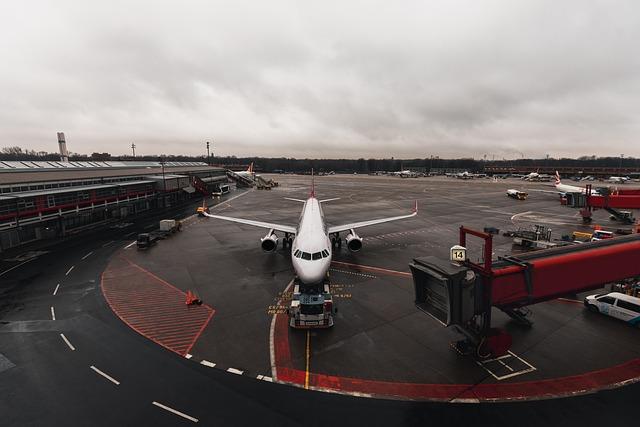
In the wake of widespread disruptions caused by a recent FAA ground stop, several flights managed to take off unaffected, prompting questions about the selective exemptions. This article delves into the reasons behind why certain flights were allowed to proceed amid the ground stop, examining regulatory protocols, operational priorities, and the impact on travelers. By shedding light on the decision-making process, we aim to clarify the complexities surrounding the rare exemptions granted during one of the largest interruptions in U.S.air traffic control history.
Flights Serving Critical Routes Maintained Operations Amid Disruptions
During recent widespread operational disruptions, airlines prioritized maintaining service on essential routes to ensure critical connectivity, especially for hubs linked to emergency services and vital supply chains. These flights were granted exemptions from the ground stop protocols due to their indispensable role in supporting regional and national infrastructure. Airlines and aviation authorities collaborated closely, implementing rigorous safety procedures while facilitating uninterrupted travel on these routes.
- Medical and emergency flights: Transporting patients, medical personnel, and urgent supplies.
- Key commercial corridors: Supporting business continuity and essential goods delivery.
- Government and military charters: Maintaining national security and disaster response capabilities.
| Route Type | Reason for Exemption | Approximate Daily Flights |
|---|---|---|
| Medical Evacuation | Life-saving transport | 15 |
| Supply Chain Logistics | Essential cargo delivery | 30 |
| Government Operations | National security | 10 |
Regulatory Framework and Criteria Guiding Ground Stop Exemptions
Within the aviation industry, ground stop exemptions are granted under a stringent set of rules designed to balance operational efficiency with safety and security imperatives. The Federal Aviation Management (FAA) and other regulatory bodies have established specific criteria that allow certain flights to proceed amid ground stop directives. Typically, exemptions apply to flights that are:
- Humanitarian in nature, such as medical evacuations or disaster relief support
- Critical for national security or military operations
- Already airborne or imminently ready for takeoff with minimal risk of contributing to congestion
These regulations aim to minimize disruption while respecting the overarching priorities of public safety and emergency response.
To illustrate the decision-making process behind ground stop exemptions, the table below outlines the core criteria alongside examples that align with FAA guidelines:
| Exemption Category | Rationale | Example |
|---|---|---|
| Humanitarian Flights | Ensure urgent medical or disaster relief reaches affected regions | Air ambulance transporting critically ill patients |
| Military Operations | Support national security missions deemed essential | Troop movements or VIP government flights |
| Operational Safety | Protect safety for aircraft already in sensitive phases of flight | Planes lined up on the tarmac ready for immediate departure |
Impact of Exemptions on Passenger Safety and Airline Efficiency
Exemptions from ground stops often arise from the delicate balance between ensuring passenger safety and maintaining operational efficiency within the airline industry. Airlines and air traffic controllers assess several variables before permitting any flight to proceed during disruptions. Priority is generally given to flights that:
- Carry medical or emergency personnel
- Are close to reaching their destination
- Require diversion to prevent fuel starvation
- Operate critical cargo missions
By carefully evaluating these factors, exemptions help prevent risks associated with both abrupt ground halts and uncontrolled airborne delays, safeguarding passengers while optimizing airspace utilization.
| Exemption Type | Impact on Safety | Effect on Efficiency |
|---|---|---|
| Medical Emergency Flights | High – Priority landing reduces medical delays | Moderate – May need rerouting but minimal delays overall |
| Fuel-Critical Operations | High – Avoids in-flight emergencies | Moderate – Timely clearance prevents widening delays |
| Nearby Arrival Flights | Medium – Reduced passenger inconvenience | High – Frees up limited runway slots quickly |
Recommendations for Transparent Communication During Flight Ground Stops
Clear, timely communication is essential to maintain passenger trust and minimize confusion during flight ground stops. Airlines and airports should prioritize regular updates via multiple channels, including mobile alerts, social media, and in-terminal announcements. These messages should convey the reasons for the delay in straightforward terms, outline expected timelines, and explain why certain flights are exempt from the stop, ensuring openness and reducing speculation. Clarity helps passengers make informed decisions about rebooking or seeking accommodations.
To enhance understanding and accessibility, stakeholders must utilize multilingual support and visual aids such as infographics and real-time status boards. Collaboration between air traffic control, airlines, and airport authorities is critical to provide consistent facts, preventing mixed messages that could exacerbate frustration. Below is an example of a streamlined communication framework that airlines might employ during a ground stop:
| Channel | Message Focus | Frequency |
|---|---|---|
| Mobile App Notifications | Real-time updates on affected flights and exemptions | Every 30 minutes |
| Social Media Posts | General status, safety reminders, and Q&A sessions | Hourly |
| Airport PA Announcements | Immediate alerts and boarding instructions | As needed |
| Digital Signage | Visual flight status and alternative options | Continuous |
In Retrospect
the exemptions granted during the ground stop highlight the complex operational realities and safety priorities that govern air traffic management.While the decision to halt most flights aimed to mitigate risks amid unfolding challenges,select flights were allowed to proceed under stringent conditions,reflecting the need for flexibility in emergency protocols.As investigations continue, these exceptions underscore the delicate balance between caution and continuity in the ever-evolving landscape of air travel.