
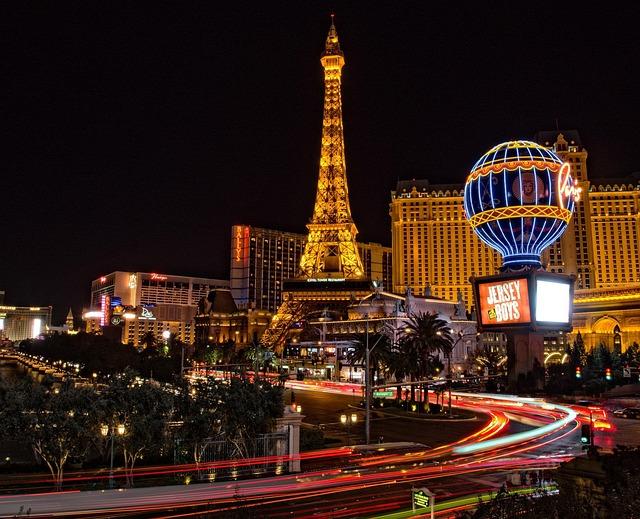
Las Vegas, long known for its vibrant entertainment scene but notably absent from the professional sports map, is rapidly transforming from a sports desert into a major player in the pro league landscape. Once overlooked by major franchises wary of the city’s transient culture and gambling reputation, Las Vegas has upped the ante, investing heavily to attract and support professional teams. This strategic pivot not only marks a meaningful shift in the city’s identity but also signals a broader evolution in how sports franchises evaluate and expand into new markets. Bloomberg.com explores this dramatic turnaround and what it means for the future of professional sports in America’s desert oasis.
Las Vegas Transforms Its Identity with Major League Investments
Once considered a barren landscape for professional sports, Las Vegas has quickly reinvented itself as a thriving hub for major league franchises. The city’s aggressive pursuit of big-name investments has paid off, drawing in marquee teams from the NHL, NFL, and more. This conversion isn’t just about filling stadium seats; it’s about cultivating a vibrant sports culture that appeals to locals and tourists alike. The economic impact goes beyond ticket sales, empowering local businesses, creating jobs, and boosting hospitality revenues.
Key factors driving this shift include:
- Strategic public-private partnerships that have financed state-of-the-art venues
- Tax incentives and city support to attract franchises
- Expansion of luxury accommodations complementing the entertainment ecosystem
| League | Team | Year Joined |
|---|---|---|
| NHL | Vegas Golden Knights | 2017 |
| NFL | Las Vegas Raiders | 2020 |
| MLS | Upcoming Franchise | 2025 (Projected) |
Economic Impact of Professional Sports on the Las Vegas Market
Las Vegas has transformed from a city known primarily for gaming and tourism into a burgeoning hub for professional sports, a shift that has redefined its economic landscape. The arrival of marquee franchises like the NHL’s Golden Knights and the NFL’s Raiders has not only diversified local revenue streams but has also stimulated job creation across multiple sectors. Beyond ticket sales and merchandise, the ripple effects extend to hospitality, transportation, and retail industries, amplifying the city’s appeal as a year-round destination.Additionally, this sports boom has encouraged infrastructure investments, including upgraded arenas and enhanced public transit options, signaling a long-term commitment to sustaining sports-driven growth.
Key economic benefits observed include:
- Surge in local employment related to stadium operations and event management
- Boost in tourism during sports seasons, increasing hotel occupancy rates
- Expanded business opportunities for local vendors and service providers
- Increment in tax revenues supporting community initiatives and public services
| Economic Indicator | Pre-Sports Era (2015) | Post-Team Arrival (2023) |
|---|---|---|
| Annual Sports-Related Revenue | $0.5 billion | $2.1 billion |
| Employment in Sports & Hospitality | 15,000 | 38,000 |
| Visitor Spending During Sports Events | $350 million | $1 billion |
Challenges and Opportunities in Building a Sustained Fan Base
Las Vegas’ rapid transformation from a city void of major professional sports teams to a burgeoning sports hub presents a complex set of challenges. Chief among them is cultivating a fan base that transcends the transient tourist population and resonates with local residents. Unlike cities with longstanding sports traditions, Vegas must build loyalty from scratch, requiring strategic engagement through community outreach, authentic team branding, and year-round fan experiences. The city’s heavy reliance on entertainment and hospitality industries offers unique promotional platforms, but also competes for the audience’s attention.
Opportunities, however, abound as Las Vegas leverages its distinctive culture and entertainment reputation to reshape sports fandom. The influx of new teams and leagues creates synergies for cross-promotion and diversified fan engagement. Here’s how key factors stack up:
| Factor | Challenge | Opportunity |
|---|---|---|
| Fan Loyalty | Building allegiance in a transient population | Community integration and local player recruitment |
| Market Competition | Competing with attractions and entertainment options | Synergistic promotions with hospitality sector |
| Media Coverage | Attracting sustained attention beyond novelty phase | Innovative digital engagement and storytelling |
| Economic Factors | Dependence on fluctuating tourism revenue | Diversified revenue streams via merch, events |
- Engaging local communities with accessible events fosters grassroots loyalty.
- Creating unique fan experiences tailored to Las Vegas’ entertainment-driven identity.
- Leveraging celebrity endorsements and partnerships to attract national attention.
Strategic Recommendations for Long-Term Sports Franchise Success in Las Vegas
Las Vegas has transformed itself from a sports desert into a burgeoning hub for professional athletics, but sustaining this momentum requires a multifaceted approach. First and foremost,sports franchises must forge deep community ties by investing in local youth programs and fan engagement initiatives.Building a loyal fan base in a city known for transient visitors demands authentic connections and an inclusive atmosphere. Collaborations with local businesses and culturally relevant events enhance team visibility, fostering a sense of ownership among residents and tourists alike.
Equally critical is maintaining state-of-the-art infrastructure that can accommodate diverse events year-round. The city’s unique entertainment landscape calls for facilities optimized for versatility, ensuring stadiums and arenas serve beyond game days. Strategic partnerships with tourism and hospitality sectors should be leveraged to create comprehensive experiences around games, from dining to entertainment packages, maximizing economic impact.Below is an overview of key pillars for enduring franchise success in Las Vegas:
- Community Integration: Youth outreach, local partnerships, fan loyalty programs
- Infrastructure Excellence: Multi-use venues, tech upgrades, accessibility
- Economic Synergy: Collaboration with tourism, hospitality, gaming industries
- Brand Differentiation: Position teams as symbols of Vegas culture and entertainment
| Strategic Focus | Key Action | Expected Outcome |
|---|---|---|
| Community Engagement | Host local events & youth clinics | Boosted fan loyalty |
| Venue Innovation | Implement smart technology | Enhanced game-day experience |
| Economic Partnerships | Cross-promote with casinos | Increased revenue streams |
| Brand Identity | Marketing tailored to Vegas lifestyle | Stronger market positioning |
In Conclusion
Las Vegas’s transformation from a sports desert to a burgeoning hub for professional leagues underscores the city’s strategic commitment to establishing itself as a premier sports destination. With significant investments in infrastructure, a growing fan base, and the triumphant integration of major franchises, the city is poised to continue attracting top-tier teams and events. As Las Vegas bets big on sports, the implications extend beyond entertainment, promising economic growth and a reshaped cultural identity for the region.