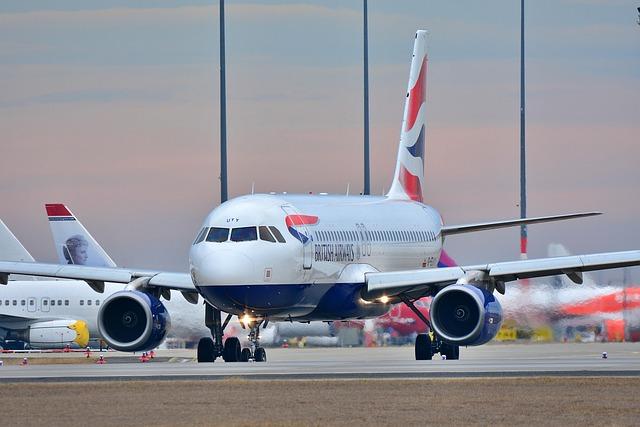
A British Airways aircraft caught fire at McCarran International Airport in Las Vegas, prompting an emergency response and the evacuation of passengers, officials confirmed. The incident, which occurred on [specific date if known], disrupted airport operations and raised immediate safety concerns. Authorities are currently investigating the cause of the fire,with no fatalities reported at this time. Further details are awaited as emergency teams continue their work at the scene.
British Airways Aircraft Fire in Las Vegas Investigated by Authorities
Authorities are conducting a thorough investigation following an aircraft fire involving a British Airways plane at McCarran International Airport in Las Vegas. The incident, which occurred during the aircraft’s departure preparations, prompted an immediate evacuation. Emergency crews responded swiftly, containing the blaze and ensuring the safety of all passengers and crew members on board.No injuries have been reported, but the cause of the fire remains under close scrutiny.
Preliminary findings suggest possible mechanical failure, but investigators are evaluating multiple factors, including:
- Engine malfunction
- Electrical short-circuit
- Fuel system issues
- Potential human error
British Airways has confirmed full cooperation with local authorities and stated that all affected passengers will receive support, including rebooking options. Meanwhile,flight operations from the airport experienced delays,impacting schedules throughout the day.
| Aspect | Status |
|---|---|
| Passengers Evacuated | 100% |
| Injuries Reported | None |
| Fire Containment | Complete |
| Investigation Ongoing | Yes |
Passenger Safety Measures and Emergency Response Analyzed
Passenger safety protocols were rigorously tested during the incident,with cabin crew swiftly executing evacuation procedures. The aircraft, despite the alarming fire outbreak, benefited from clear emergency communication and efficient deployment of safety equipment, including oxygen masks and fire extinguishers. Passengers were guided calmly and effectively towards the nearest exits, highlighting the crew’s competency in adhering to stringent aviation safety regulations that have evolved from previous emergency experiences.
Emergency responders coordinated seamlessly with airport fire services, demonstrating robust inter-agency collaboration.The initial response time was critical in containing the blaze and preventing casualties, underscoring the importance of pre-established emergency drills and real-time communication systems. Below is a summary of the immediate response actions taken:
| Response Aspect | Time Frame | Outcome |
|---|---|---|
| Crew alert and passenger briefing | Within 2 minutes | Orderly evacuation initiated |
| Fire containment by on-ground firefighters | 5 minutes | Fire localized, no escalation |
| Passenger medical assistance | Immediate post-evacuation | Minor injuries treated on-site |
- Swift crew action ensured no panic among passengers.
- Pre-flight safety briefings were crucial for passenger compliance.
- Coordination with emergency services minimized fire damage.
Impact on Flight Schedules and Airline Operations Discussed
The unexpected fire incident involving the British Airways aircraft in Las Vegas caused immediate disruptions across multiple flight schedules. Several subsequent flights were delayed or cancelled as emergency response teams secured the affected area and conducted thorough safety inspections. Airlines operating from McCarran International Airport announced revised timetables, with some redirecting flights to nearby airports to minimize passenger inconvenience.
Key operational impacts included:
- Grounding of all inbound and outbound flights on the affected runway for over three hours.
- Increased workload for airline staff managing rescheduling and customer support.
- Deployment of additional aircraft to maintain service continuity on critical routes.
| Airline | Flight Status | Rescheduled Departure |
|---|---|---|
| British Airways | Delayed | +4 hours |
| Delta Air Lines | Cancelled | N/A |
| Southwest Airlines | Rerouted | Varies by flight |
Recommendations for Enhancing Aviation Fire Prevention and Safety Protocols
To significantly reduce the risk of in-flight fires, airlines must adopt a multi-layered approach to fire prevention. This includes rigorous maintenance schedules focusing on electrical and fuel systems, enhanced crew training on emergency fire protocols, and the integration of advanced fire detection technologies. Ensuring that all cabin materials comply with the latest fire-resistant standards is essential to limit flame spread and toxic smoke production. Additionally, fostering a culture of proactive hazard identification where crew members are empowered to report potential fire risks without hesitation can drastically improve onboard safety.
Collaborative efforts between regulatory bodies, manufacturers, and airlines will be instrumental in advancing these measures. Airlines should prioritize the use of fire-retardant coatings and conduct frequent fire drills simulating various fire scenarios, including hidden electrical fires and cargo compartment blazes. The following table outlines key focus areas and suggested enhancements, designed to streamline fire prevention strategies across the aviation sector:
| Focus Area | Recommended Enhancements |
|---|---|
| Maintenance | Routine checks on wiring harnesses; thermal imaging inspections |
| Crew Training | Simulation-based fire emergency drills; rapid response protocols |
| Materials | Upgraded fire-resistant cabin fabrics and panels |
| Detection Systems | Integration of smoke and heat sensors with early alert features |
| Reporting | Anonymous hazard reporting platforms for cabin crew |
The Way Forward
The incident involving the British Airways plane catching fire in Las Vegas serves as a stark reminder of the inherent risks in air travel, despite strict safety protocols. Authorities continue to investigate the cause of the fire, while passengers and crew undergo medical assessments. British Airways has pledged full cooperation with the ongoing inquiry and expressed gratitude for the swift response from emergency services that helped prevent any fatalities. Further updates will be provided as more facts becomes available.