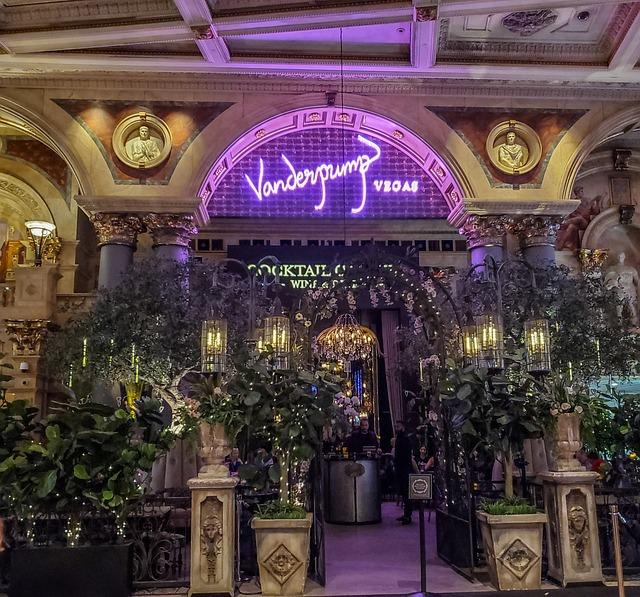
Las Vegas bars are preparing for potential disruptions as new U.S. regulations take effect,banning the import of certain Canadian goods. The restrictions, announced amid ongoing trade tensions, have sparked concern among local bartenders and suppliers who rely on Canadian products for their menus.As these changes loom, industry insiders are assessing the impact on inventory, pricing, and customer experience across the city’s vibrant nightlife scene. This report from KLAS 8 News Now explores how Las Vegas establishments are navigating the challenges posed by the latest trade policies.
Las Vegas Bars Face Supply Chain Disruptions Amid New U.S. Import Restrictions
Las Vegas’ vibrant nightlife scene is confronting critically important hurdles as new U.S. import restrictions target select Canadian goods critical to bar operations. Establishments across the city are reporting delays and shortages, notably in specialty spirits and craft beer varieties previously sourced from Canada. Bartenders and managers express concern over maintaining menu consistency and meeting customer expectations during this period of uncertainty.
Industry insiders highlight several key challenges faced by local bars:
- Limited product availability: Popular Canadian whiskies and ice wines are now harder to procure.
- Increased costs: Choice suppliers often charge premium prices, squeezing profit margins.
- Logistical issues: Adjusting supply chains strains relationships with distributors and delivery schedules.
Overcoming these obstacles requires strategic planning and flexibility as Las Vegas establishments adapt to evolving regulations and seek domestic alternatives to sustain their renowned hospitality standards.
| Impact Area | Details | Potential Solutions |
|---|---|---|
| Product Shortages | Scarce Canadian imports like ice wine and rye whisky | Increase domestic sourcing and local craft collaborations |
| Cost Increases | Higher prices from international suppliers | Negotiate bulk deals with U.S. distributors |
| Supply Chain Delays | Disrupted shipping schedules and clearance holdups | Invest in advance inventory and diversify suppliers |
Impact on Popular Canadian Alcohol Brands and Local Drink Menus
Several iconic Canadian alcohol brands are already feeling the ripple effects of the U.S. ban initiated on select imports. Legendary labels such as Crown Royal, Iceberg Vodka, and Canadian Club have reported disrupted supply chains, forcing Las Vegas bars to reconsider their stock choices. Bartenders and managers are increasingly turning to alternative domestic or non-Canadian products to maintain popular cocktail menus without compromising on customer expectations.
Local mixologists are creatively adapting cocktail menus to reflect these changes, often substituting Canadian whiskies and vodkas with American and international counterparts. The shift has sparked a renewed interest in craft spirits, leading to an uptick in offerings such as:
- Small-batch Nevada distilleries
- American rye and bourbon varieties
- Specialty infusions and house-made mixers
Below is a snapshot comparison of popular items before and after the ban:
| Drink | Canadian Brand | Replacement Options |
|---|---|---|
| Whiskey Sour | Crown Royal | Buffalo Trace, Bulleit Bourbon |
| Classic Caesar | Iceberg Vodka | Tito’s Handmade, Gray Goose |
| Old Fashioned | Canadian Club | Maker’s Mark, Woodford Reserve |
Strategies for Bars to Adapt Inventory and Maintain Customer Satisfaction
Las Vegas bars are swiftly rethinking their stock strategies amid the new U.S. regulations restricting certain Canadian imports. Establishments are prioritizing local and domestic suppliers to fill the void left by unavailable Canadian products. Many bar managers are adopting a lean inventory approach, reducing overstock to minimize losses from fluctuating supply chains. Additionally, bars are negotiating flexible contracts with distributors, allowing for rapid adjustment of orders based on availability and customer demand.
Key tactics being implemented include:
- Partnering with craft distilleries and breweries within Nevada and neighboring states
- Increasing openness with customers about ingredient and product changes
- Introducing seasonal and limited-edition menus tailored to available inventory
- Leveraging technology to track inventory in real-time and predict shortages
| Strategy | Benefit | Impact |
|---|---|---|
| Local Sourcing | Consistent supply chain | Maintains menu consistency |
| Dynamic Menus | Customer engagement | Boosts repeat visits |
| Real-time Inventory | Efficient stock control | Reduces waste |
Industry Experts Advise on Sourcing Alternatives and Navigating Regulatory Challenges
With the new U.S. import ban impacting key Canadian products, industry leaders are urging bars across Las Vegas to swiftly explore alternative sourcing strategies to sustain their offerings. Experts emphasize a proactive approach, suggesting venues should:
- Engage local craft producers to tap into emerging domestic flavors
- Leverage regional distributors who might offer untapped beverage varieties
- Invest in supplier diversification to avoid future bottlenecks
On the regulatory front, compliance specialists advise businesses to stay informed about evolving federal guidelines to mitigate potential disruptions. Key recommendations include:
- Regular consultation with legal advisors experienced in import regulations
- Maintaining clear documentation for all sourcing activities
- Attending industry briefings to receive timely policy updates
| Challenge | Suggested Action | Expected Outcome |
|---|---|---|
| Supply disruption of Canadian spirits | Source from local distilleries | Continuous product availability |
| Compliance with new import restrictions | Enhance legal oversight | Avoid fines and delays |
| Increased costs from alternative sourcing | Negotiate bulk purchasing agreements | Cost optimization |
In Retrospect
As the U.S. government moves forward with restrictions on certain Canadian imports, Las Vegas bars are preparing to adapt to the evolving supply chain challenges. Industry leaders emphasize the importance of remaining flexible amid these regulatory shifts, highlighting the potential impacts on product availability and pricing. Stakeholders continue to monitor developments closely, aiming to balance compliance with customer expectations. KLAS 8 News Now will keep following this story as it unfolds, bringing updates on how local businesses navigate the changing landscape.