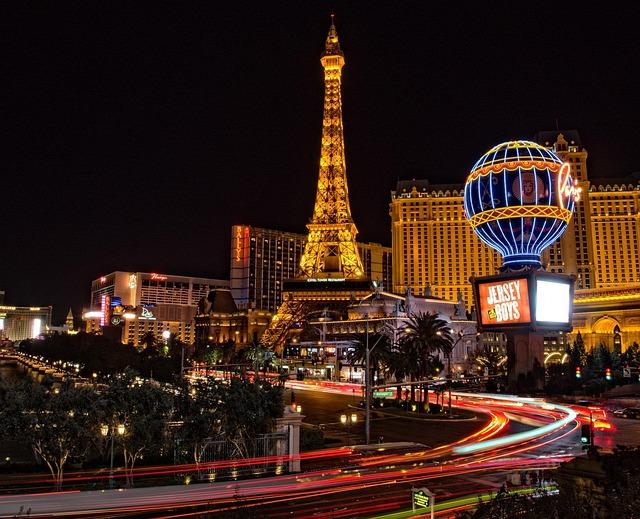
Las Vegas at a Crossroads: Navigating Economic, Environmental, and Social Challenges
Economic Transformation and Tourism Evolution in Las Vegas
Once hailed as the ultimate playground for entertainment and leisure, Las Vegas is now confronting important economic transformations that threaten its core tourism industry.Recent data reveals a downturn in visitor numbers, signaling a shift from the city’s historic trajectory of continuous growth. Analysts attribute this trend to a combination of market saturation, evolving traveler preferences, and the emergence of new global leisure destinations.
Local enterprises, notably casinos and hospitality venues, are feeling the strain as conventional revenue sources contract. This has accelerated efforts to innovate and diversify offerings to appeal to a broader and more varied audience.
- Global competition intensifies: Entertainment centers in regions like Southeast Asia and the Gulf States are drawing international tourists who once favored Las Vegas.
- Economic volatility: Inflationary pressures and uncertain economic conditions have curtailed discretionary spending on luxury travel and gaming activities.
- Changing consumer demographics: Millennials and Gen Z travelers increasingly seek lasting tourism and immersive digital experiences, diverging from classic Vegas attractions.
| Year | Visitor Count (Millions) | Gaming Revenue (Billion $) |
|---|---|---|
| 2023 | 44.5 | 12.1 |
| 2024 (Forecast) | 41.8 | 11.4 |
| 2025 (Projection) | 39.7 | 10.9 |
Environmental Pressures Amid Rapid Urban Expansion
Las Vegas is at a pivotal juncture where its rapid urban growth increasingly conflicts with environmental sustainability. The city’s expansion-driven by demand for new residential, commercial, and entertainment spaces-is placing immense strain on the delicate desert ecosystem. Water scarcity, a persistent challenge in the American Southwest, has worsened due to rising municipal consumption, threatening both local communities and the broader Colorado River watershed.
Environmental experts emphasize several pressing issues confronting city planners:
- Excessive water usage: Despite ongoing drought conditions, per capita water consumption remains alarmingly high.
- Urban heat amplification: The city’s sprawl contributes to elevated temperatures, intensifying heat stress for residents.
- Disruption of natural habitats: Construction activities jeopardize native wildlife corridors and biodiversity.
- Waste accumulation: Population growth is increasing landfill volumes, challenging waste management systems.
In response, municipal authorities have enacted green building codes and incentivized sustainable infrastructure projects. However,critics argue these initiatives are insufficient to tackle the fundamental environmental vulnerabilities facing the region.
| Environmental Issue | Current Status | Projected Status by 2030 |
|---|---|---|
| Daily Water Consumption | 500 million gallons | 700 million gallons |
| Urban Heat Increase | 4.5°F above rural baseline | 6.0°F above rural baseline |
| Urbanized Land Area | 65% | 80% |
Bridging Social Divides and Tackling Housing Deficits
Despite its reputation as a thriving entertainment hub, Las Vegas grapples with stark social inequalities. The divide between affluent districts and underserved neighborhoods has widened, with many residents facing barriers to affordable housing, quality education, and healthcare access. The city’s sprawling development has intensified these disparities, concentrating poverty in certain areas while luxury high-rises flourish elsewhere.
Addressing these challenges demands targeted policies that promote equitable resource distribution and empower marginalized communities. Innovative approaches gaining traction include:
- Inclusionary zoning policies: Requiring affordable housing units within new developments to ensure mixed-income communities.
- Expanded rental assistance: Increasing subsidies and support programs for low-income renters.
- Repurposing vacant properties: Transforming unused commercial buildings into affordable residential units.
- Community land trusts: Facilitating nonprofit ownership models to secure long-term housing affordability.
| Policy Initiative | Expected Outcome | Implementation Timeline |
|---|---|---|
| Inclusionary Zoning | 10,000 affordable units by 2030 | 5 years |
| Rental Assistance Expansion | 30% decrease in homelessness | 3 years |
| Vacant Property Conversion | 1,500 affordable homes created | 4 years |
| Community Land Trusts | Stabilization of 5 neighborhoods | 6 years |
Forward-Thinking Strategies for Sustainable Urban Renewal
Las Vegas is embarking on an ambitious path to rejuvenate its economy and environment through innovative, sustainable initiatives. City leaders and private stakeholders are championing projects that integrate eco-friendly infrastructure with community participation. These efforts aim to reduce environmental impact while generating new job opportunities, particularly in historically underserved areas.
Key components of this revitalization plan include:
- Renewable energy investments: Expanding solar and wind power to lower energy costs and carbon emissions.
- Smart zoning reforms: Promoting mixed-use developments that blend residential, commercial, and green spaces.
- Community innovation centers: Supporting startups focused on social entrepreneurship and environmental technologies.
| Project | Focus Area | Expected Completion |
|---|---|---|
| Solar-Powered Transit System | Transportation & Energy | 2026 |
| Vertical Urban Agriculture | Food Security & Job Creation | 2025 |
| Eco-Friendly Housing Developments | Affordable Living & Sustainability | 2027 |
Conclusion: Charting a Resilient Future for Las Vegas
As Las Vegas confronts multifaceted challenges-from economic realignments and environmental pressures to social inequities-the city stands at a defining moment. The balance between preserving its legendary allure and embracing sustainable, inclusive growth will shape its destiny. How Las Vegas reinvents itself in the coming decade will not only influence its own prosperity but also serve as a blueprint for other urban centers navigating similar crossroads in an evolving global landscape.