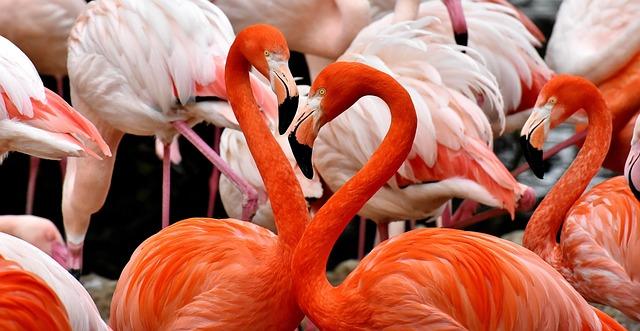
A Canadian tourist visiting Las Vegas has been convicted of animal cruelty after stealing a flamboyant flamingo from a local wildlife sanctuary, according to USA Today. The bizarre incident, which sparked outrage among animal rights advocates and the Las Vegas community, highlights ongoing concerns about the treatment and protection of exotic animals in tourist hotspots. Authorities say the conviction serves as a warning against the exploitation and mistreatment of wildlife for personal amusement.
Canadian Tourist Faces Legal Consequences After Flamingo Theft in Las Vegas
Authorities in Las Vegas have sentenced a Canadian tourist following an incident involving the theft of a flamingo from a local wildlife sanctuary. The individual was found guilty of animal cruelty, a charge that carries significant legal repercussions in the state of Nevada. During the trial, prosecutors presented evidence demonstrating the distress and potential harm caused to the protected bird, emphasizing the seriousness of the crime. This case has sparked discussions regarding the protection of exotic animals amid the surge of tourism in the area.
Key points from the case include:
- Theft Method: The flamingo was taken during visiting hours, raising questions about sanctuary security.
- Legal Outcome: The tourist received a combination of fines, community service, and a ban from local wildlife centers.
- Animal Welfare: Veterinarians confirmed the flamingo suffered stress-related health issues.
| Charge | Penalty | Duration |
|---|---|---|
| Animal cruelty | $5,000 fine | Immediate |
| Community service | 100 hours | 6 months |
| Sanctuary ban | Permanent | Ongoing |
Animal Cruelty Charges Underscore the Impact of Wildlife Theft on Exotic Species
The recent conviction of a Canadian tourist for stealing a flamingo from a Las Vegas hotel has brought renewed attention to the far-reaching consequences of illegal wildlife theft. Beyond mere theft, such acts inflict physical and psychological harm on exotic animals, frequently enough resulting in long-term suffering. Experts warn that incidents like this not only threaten individual animals but also contribute to the destabilization of species vulnerable to poaching and trafficking worldwide. Authorities emphasize that enforcing animal cruelty laws is critical to deterring similar crimes and protecting wildlife from exploitation.
The case sheds light on how wildlife theft impacts conservation efforts on multiple fronts:
- Stress and injury: Exotic species are often impaired by improper handling and environments foreign to their natural habitat.
- Population decline: Removing animals disrupts breeding programs aimed at preserving endangered species.
- Legal repercussions: Stricter sentencing reinforces the message that animals are not commodities.
In the instance of the flamingo theft, veterinary assessments revealed signs of distress and dehydration, underscoring the cruelty involved. Authorities advocate public awareness as a critical tool in preventing wildlife crimes and promoting respect for exotic species’ welfare.
Las Vegas Authorities Increase Vigilance to Protect Iconic Wildlife from Theft and Abuse
In response to a recent incident involving a Canadian tourist unlawfully taking a flamingo from a protected exhibit, Las Vegas authorities have significantly stepped up efforts to safeguard the city’s cherished wildlife. This bold act of theft and neglect has not only endangered the bird but also spotlighted the urgent need for stringent monitoring and immediate intervention to prevent similar occurrences. Officials have increased patrols around key habitats and implemented tighter security measures at venues known for exhibiting exotic animals.
To enhance public awareness and engagement, the local government has introduced several initiatives, including:
- Community education programs focusing on wildlife protection laws and ethical treatment.
- Installation of surveillance cameras at vulnerable animal enclosures.
- Collaboration with animal welfare organizations to monitor health and safety standards.
- Stricter penalties and enforcement against those who commit animal cruelty or theft.
| Measure | Purpose | Status |
|---|---|---|
| Increased Patrols | Deter theft and abuse | Active |
| Surveillance Installation | Monitor animal enclosures | Ongoing |
| Public Awareness Campaign | Educate and engage locals & tourists | Launched |
| Legal Reinforcement | Ensure prosecution of offenders | Enforced |
Experts Advise Travelers on Ethical Interaction with Animals to Prevent Legal and Ethical Issues
Travel experts emphasize that respectful and responsible behavior around wildlife is crucial not only for the protection of animals but also to avoid serious legal consequences. Tourists often underestimate the complexities involved in interacting with animals,from exotic birds to common urban wildlife. This misconception can lead to actions like theft, disturbance, or neglect, which are punishable under animal protection laws across many regions, including the United States and Canada. Authorities urge that visitors educate themselves about local wildlife regulations and always prioritize animal welfare over personal curiosity or entertainment.
Key guidelines recommended by experts include:
- Observe animals from a safe and respectful distance without attempting to touch or capture them.
- Refrain from feeding animals, as improper diets can cause health issues and disrupt natural behaviors.
- Report any injured or distressed animals to local wildlife authorities rather than intervening personally.
- Understand and comply with regional wildlife laws to avoid inadvertent violations.
| Action | Legal Risk | Ethical Concern |
|---|---|---|
| Stealing Wildlife | Felony charges, fines | Animal welfare, trauma |
| Feeding Wild Animals | Possible fines | Dependency, health risks |
| Disturbing Habitat | Warning, citations | Ecosystem disruption |
Final Thoughts
The conviction of the Canadian tourist for animal cruelty following the theft of the Las Vegas flamingo underscores the serious legal consequences of mistreating wildlife.Authorities continue to emphasize the importance of respecting animal welfare laws, particularly in tourist destinations where wildlife is a key attraction. This case serves as a reminder to visitors that actions involving animals are subject to strict scrutiny and that criminal behavior will be met with appropriate penalties.