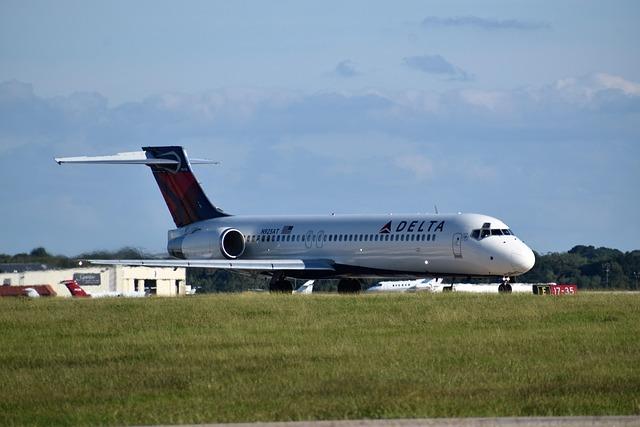
The U.S. government has launched an inquiry into a distressing incident involving Delta Air Lines passengers who were confined to an airplane for hours amid sweltering temperatures. The New York Times reported in 2023 that travelers endured extreme heat while stuck on the tarmac, raising serious concerns about airline safety protocols and passenger welfare. This probe aims to determine the circumstances that led to the prolonged delay and evaluate the adequacy of the airline’s response under such harsh conditions.
U.S. Authorities Examine Conditions Leading to Delta Flight Delay in High Temperatures
Federal officials have launched a thorough investigation into the circumstances surrounding the extended delay of a Delta Airlines flight, where passengers were confined on board amid soaring temperatures exceeding 90 degrees Fahrenheit. Witnesses reported a lack of adequate ventilation and limited access to water,prompting concerns from consumer advocates about airline safety protocols during extreme weather conditions. The U.S. Department of Transportation and the Federal Aviation Administration are collaborating to assess whether existing regulations and airline practices sufficiently protect passengers during such incidents.
Key factors under review include:
- Duration and cause of the delay
- Effectiveness of in-flight ventilation systems
- Compliance with federal guidelines for passenger care in high heat
- Communication between airline staff and passengers
- Availability of emergency assistance and resources on the aircraft
| Aspect | Delta Flight | Federal Standards |
|---|---|---|
| Maximum Onboard Delay | 3 hours 15 minutes | Up to 2 hours recommended |
| Temperature Inside Cabin | Above 90°F | Should not exceed 78°F |
| Water Provision | Limited and irregular | Continuous access advised |
| Passenger Communication | Minimal updates | Frequent status reports required |
Passenger Accounts and Safety Concerns Prompt Federal Inquiry
Federal regulators have launched a formal inquiry after alarming reports surfaced from passengers on a Delta flight delayed for hours amidst sweltering heat. Witnesses described feeling trapped as temperatures inside the plane climbed, with limited access to water and ventilation. The situation raised meaningful concerns about airline protocols during unexpected delays, especially regarding passenger welfare and emergency responsiveness. The inquiry aims to assess whether Delta complied with existing safety regulations and to determine what measures can be implemented to prevent similar incidents.
Key issues under investigation include:
- Duration of delay: Time passengers remained onboard without deplaning despite extreme temperatures.
- Communication: Transparency and updates provided to passengers during the delay.
- Environmental controls: Functionality of air conditioning and ventilation systems during the event.
- Emergency protocols: Steps taken to address passenger health and safety complaints in real time.
| Factor | Passengers’ Experience | Regulatory Focus |
|---|---|---|
| Heat Intensity | Excessive, leading to discomfort and distress | Ensuring functional ventilation during delays |
| Duration Onboard | Over three hours | Limits on how long passengers can be kept aboard |
| Hydration Availability | Limited water access | Requirements for passenger hydration during delays |
Delta Airlines Faces Scrutiny Over Onboard Heat Management Policies
Recent reports have brought to light significant concerns regarding the handling of onboard climate control during Delta Airlines flights. Passengers reported prolonged exposure to stifling heat while waiting on the tarmac, prompting an inquiry by federal aviation authorities. Eyewitness accounts suggest that despite visible signs of distress among travelers, flight crews followed protocols that delayed the activation of cooling systems and disembarkation procedures. This incident has raised urgent questions about whether airline policies adequately prioritize passenger safety and comfort under extreme environmental conditions.
In response to mounting public pressure, Delta Airlines has issued a formal statement highlighting their commitment to passenger welfare, but acknowledged the need to review current heat management strategies. Industry experts call for obvious guidelines and enhanced in-flight technology to mitigate similar occurrences. The following table outlines key elements under scrutiny in federal investigations:
| Aspect | Current Protocol | Potential Improvements |
|---|---|---|
| Cabin Temperature Regulation | Manual activation post-boarding delay | Automatic climate control linked to external temps |
| Passenger Communication | Minimal updates during delays | Regular briefings and health check-ins |
| Emergency Evacuation Readiness | Delayed deplaning in rare cases | Clear protocols for high heat thresholds |
Recommendations Aim to Prevent Future Incidents and Enhance Passenger Safety
In response to the distressing events experienced by passengers on the Delta flight, aviation authorities have proposed a series of targeted recommendations aimed at bolstering onboard safety protocols. Central to these suggestions is the implementation of strict limits on the duration passengers can be held within aircraft cabins under extreme temperature conditions.Airlines are encouraged to install advanced temperature monitoring systems and ensure immediate access to ventilation controls during ground delays. Additionally, crew training programs are being enhanced to better equip staff with decision-making tools that prioritize passenger health and comfort.
Key safety measures under consideration include:
- Mandatory real-time cabin habitat reporting to ground control
- Establishment of rapid deplaning procedures during extended delays
- Provision of medical support personnel during prolonged ground holds
- Clear communication protocols to keep passengers informed in high-stress situations
| Recommendation | Purpose |
|---|---|
| Temperature Limits | Prevent heat-related illnesses by capping onboard temps |
| Ventilation Control | Maintain air quality and passenger comfort |
| Staff Training | Enhance crew responsiveness during emergencies |
| Communication Protocols | Ensure timely and clear passenger updates |
In Conclusion
As the investigation into the Delta Airlines incident unfolds, questions remain about passenger safety protocols during extreme weather conditions. Authorities are expected to review airline policies and regulatory oversight to prevent similar occurrences in the future. Delta has pledged full cooperation with the inquiry, emphasizing its commitment to passenger well-being.The outcome of this investigation could prompt changes across the aviation industry, underscoring the critical balance between operational challenges and passenger rights.