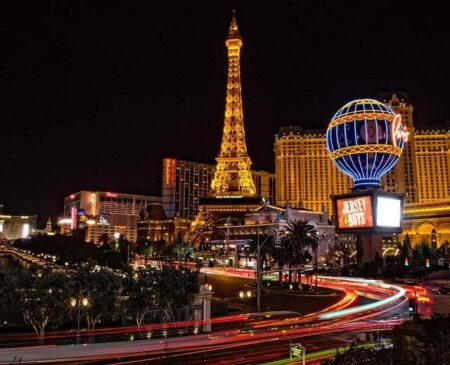
On October 1, 2017, the Las Vegas massacre shook the nation, cementing its place as the deadliest mass shooting in modern United States history. With 58 victims fatally shot and hundreds more injured, the attack, which unfolded during a music festival on the Las Vegas Strip, marked a grim milestone in the country’s ongoing struggle with gun violence. This tragedy not only devastated countless lives but also intensified national debates over firearm regulations and public safety measures. Business Insider revisits the events and impact of this catastrophic incident, examining its significance in the broader context of American mass shootings.
Las Vegas Massacre Sets New Benchmark for Deadliest Mass Shootings in US
The tragic events unfolded on October 1, 2017, during the Route 91 Harvest music festival in Las Vegas, where a lone gunman opened fire from the 32nd floor of the Mandalay Bay hotel. The attack resulted in 58 fatalities and over 850 injured, solidifying it as the deadliest mass shooting in contemporary American history. The scale and ferocity of the attack sent shockwaves across the nation, prompting urgent debates on public safety measures and gun control policies.
Key points highlighting the gravity of this incident include:
- Duration: Approximately 10 minutes of continuous gunfire.
- Weapons used: Multiple semi-automatic rifles modified to increase rate of fire.
- Victim impact: Attendees at an outdoor music festival, including families and tourists.
| Date | Fatalities | Injured | Location |
|---|---|---|---|
| Oct 1, 2017 | 58 | 850+ | Mandalay Bay, Las Vegas |
Examining Security Lapses and Response Challenges During the Attack
Despite advances in security technology and event planning, multiple critical vulnerabilities were exposed during the Las Vegas attack. Access control failures allowed the shooter to bring weapons into a high-profile event unnoticed. Surveillance systems,though extensive,were not effectively integrated to provide real-time threat detection or rapid coordination among responding agencies. These lapses contributed to a delayed law enforcement response, during which precious minutes were lost. Experts have since pinpointed the lack of centralized dialog platforms and inadequate training for event security personnel as key factors that compromised initial containment efforts.
The chaotic environment compounded response difficulties beyond just technological shortcomings.First responders faced challenges such as:
- Conflicting reports of gunfire locations
- Overwhelming crowds impeding emergency access
- Limited resources to treat mass casualties together
Below is a summary of response time benchmarks compared to optimal standards, highlighting areas for betterment:
| Response Phase | Reported Time | Optimal Standard |
|---|---|---|
| Initial Dispatch | 7 minutes | 3 minutes |
| On-Site Arrival | 15 minutes | 8 minutes |
| Suspect Containment | 25 minutes | 12 minutes |
Impact on Gun Control Legislation and Policy Debates Across the Nation
The aftermath of the tragedy prompted an intense national conversation on gun control, reigniting debates over the accessibility of high-capacity firearms and bump stocks. Lawmakers at federal and state levels faced mounting pressure to enact reforms aimed at preventing such catastrophic events. Advocates pushed for stricter background checks, restrictions on certain types of weapons, and enhanced mental health screenings, emphasizing the urgent need for complete legislation to address loopholes exploited during the massacre.
This landmark event also galvanized public opinion, reflected in growing support for legislative changes. Key policy shifts emerging from the debate include:
- Federal bans on bump stocks and similar devices that increase firing rates
- Expanded background check systems covering private sales and gun shows
- Increased funding for mental health initiatives linked to firearm ownership screening
| Legislative Focus | Proposed or Enacted Change | Status |
|---|---|---|
| Bump Stock Ban | Prohibited manufacture and possession | Federal Law Enacted |
| Background Checks | Expanded coverage to private sales | Pending in Congress |
| Mental Health Screening | Increased funding & protocols | State-Level Initiatives |
Recommendations for Enhancing Public Safety at Large-Scale Events
To considerably reduce the risk of violent incidents at large-scale gatherings, event organizers and local authorities must adopt a holistic approach that emphasizes proactive security measures.This includes deploying advanced surveillance technologies such as AI-powered cameras that can detect unusual behavior patterns in real-time, alongside thorough pre-event risk assessments to identify potential vulnerabilities. In addition, collaboration with federal and local law enforcement agencies to share intelligence and coordinate emergency response plans is critical in ensuring rapid intervention capabilities. A visible law enforcement presence paired with discreet plainclothes officers helps to deter threats while maintaining a non-intimidating environment for attendees.
Public safety can be further reinforced by implementing comprehensive communication strategies and crowd management protocols. Organizers should utilize multiple channels-mobile alerts, social media updates, and on-site details booths-to keep attendees informed about safety procedures and emergency exits. Moreover, training staff and volunteers in crisis response and first aid equips them to act decisively if an incident occurs. The following table outlines key recommended measures alongside their intended impacts:
| Safety Measure | Purpose | Expected Outcome |
|---|---|---|
| AI Surveillance & Behavior Analysis | Early detection of threats | Quicker response to suspicious activity |
| Law Enforcement Collaboration | Coordinated incident management | Faster emergency intervention |
| Real-Time Attendee Communication | Disseminate safety information | Improved crowd awareness and evacuation |
| Staff Crisis Training | Equip responders with skills | Efficient handling of emergencies |
To Conclude
The Las Vegas massacre remains a somber landmark in American history, underscoring the ongoing challenges of addressing gun violence and public safety. As investigations and discussions continue, the tragedy serves as a stark reminder of the urgent need for comprehensive measures to prevent future mass shootings. The impact on survivors, families, and the nation endures, prompting reflection and action in equal measure.