Clark County School District Lists Historic Cold War Bomb Shelter for Sale
The Clark County School District is offering for sale a rare Cold War-era bomb shelter, a tangible relic from a period when fears of nuclear warfare heavily influenced public safety infrastructure. Built in the early 1960s amid escalating global tensions, this underground refuge was designed to safeguard students and staff during potential nuclear emergencies. Now, as priorities shift, the district is seeking a new custodian who values both its historical importance and adaptive reuse possibilities.
Distinctive Features of the Cold War Shelter
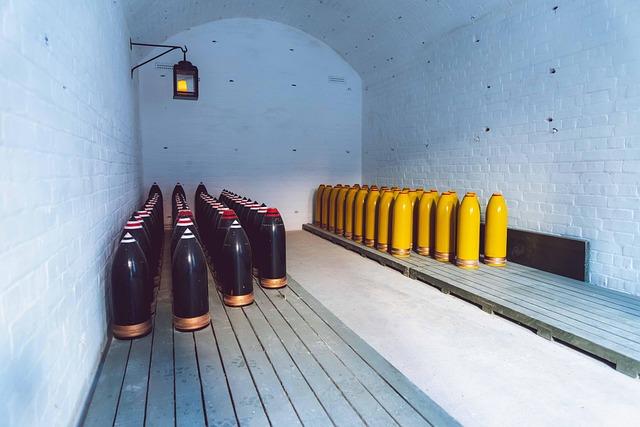
Constructed in 1963, the shelter encompasses roughly 2,000 square feet of fortified space, featuring:
- Robust reinforced concrete walls engineered to withstand blasts
- Integrated air filtration systems to ensure breathable air during crises
- Emergency power generators and water reserves to support extended occupancy
- Multiple secure entrances equipped with blast-resistant doors
- A communication center outfitted with both vintage and modern equipment
| Attribute | Details |
|---|---|
| Location | Clark County, Nevada |
| Year of Construction | 1963 |
| Current Condition | Well-preserved with minor updates required |
| Sale Method | Public Auction |
Community Perspectives: Balancing Preservation and Progress
The shelter’s sale has ignited a spirited dialog among local residents, historians, and preservation advocates. Many emphasize the site’s value as a living monument to Cold War-era anxieties and civil defense strategies, suggesting it could serve as an educational resource to illuminate this pivotal chapter in American history. For example, similar Cold War sites in other states have been transformed into museums or learning centers, attracting thousands of visitors annually.
Nonetheless, maintaining such a structure poses critically important challenges. The district faces financial constraints related to upkeep, and zoning regulations complicate preservation efforts. Concerns have been raised about potential redevelopment that might erase this cultural landmark. Key issues debated include:
- Insufficient funding for ongoing maintenance and restoration
- Limited public accessibility hindering educational use
- Pressure from real estate development interests seeking new land uses
- Finding a balance between conserving historical authenticity and accommodating modern community needs
| Challenge | Community Concern | Proposed Solutions |
|---|---|---|
| Funding Shortfalls | High costs deter preservation | Applying for heritage grants and organizing local fundraising campaigns |
| Restricted Access | Limited educational programming | Implementing scheduled public tours and school partnerships |
| Development Risks | Potential demolition for new construction | Pursuing historic landmark status and protective zoning ordinances |
Exploring Adaptive Reuse: Innovative Possibilities for the Shelter
Potential buyers are intrigued by the shelter’s unique Cold War architecture and its sturdy, secure design. This underground facility offers a rare opportunity for creative repurposing, with ideas ranging from private residences to specialized commercial spaces. For instance, similar bunkers nationwide have been converted into boutique event venues, artist studios, or secure data storage facilities.
The shelter’s features lend themselves to a variety of adaptive uses, including:
- High Security: Thick concrete walls and blast-resistant doors provide remarkable protection, ideal for secure storage or data centers.
- Natural Insulation: The subterranean environment maintains stable temperatures, beneficial for climate-sensitive uses like wine cellars or archival storage.
- Distinctive Atmosphere: The historic ambiance offers a unique setting for creative enterprises or private gatherings.
| Structural Feature | Potential New Use |
|---|---|
| Blast-Resistant Construction | Secure Data Vault or Emergency Shelter |
| Underground Location | Private Event Venue or Meditation Space |
| Spacious Interior | Art Studio, Music Rehearsal Room, or Creative Workspace |
Expert Insights: Preserving History While Enhancing Market Appeal
Experts in historic preservation and real estate emphasize the importance of maintaining the shelter’s defining characteristics to honor its legacy while maximizing its marketability. Retaining original elements such as the reinforced concrete walls, blast doors, and ventilation shafts not only preserves authenticity but also creates distinctive selling points.
Recommended approaches include:
- Adaptive Reuse: Transforming the shelter into functional spaces like a secure storage facility, private wine cellar, or emergency preparedness center.
- Modern Enhancements: Integrating subtle HVAC and lighting upgrades to improve comfort and usability without compromising historical features.
- Extensive Documentation: Providing buyers with detailed historical records, including original blueprints and preservation certifications, to enhance clarity and value.
| Feature | Preservation Benefit | Market Advantage |
|---|---|---|
| Original Blast Doors | Maintains authenticity and durability | Unique and compelling selling feature |
| Ventilation Systems | Showcases Cold War engineering ingenuity | Improves livability and comfort |
| Reinforced Concrete Walls | Preserves structural integrity | Enhances safety and security appeal |
Conclusion: A Historic Landmark Poised for a New Chapter
As the Clark County School District moves forward with the sale of this Cold War-era bomb shelter, the community faces a pivotal moment in preserving a symbol of a fraught historical period. While once a critical safeguard against nuclear threats, the shelter’s future now depends on private ownership and innovative vision. This transition reflects broader trends in how Cold War relics are being reimagined across the country. Local media, including KLAS 8 News Now, will continue to monitor developments surrounding this exceptional property and its evolving role within the community.