Las Vegas: A Dynamic Evolution from Desert Town to Entertainment Powerhouse
From Desert Outpost to World-Famous Entertainment Hub
Las Vegas, once a quiet desert settlement, has blossomed into a vibrant city renowned for its dazzling entertainment and luxurious hospitality. This conversion mirrors significant shifts in American society, technological advancements, and economic growth. Today’s Las Vegas skyline, filled with towering resorts and dazzling lights, tells a story of continuous reinvention and ambition. This visual exploration highlights the city’s journey through time, showcasing its iconic landmarks, bustling avenues, and the ever-changing urban landscape that captivates millions annually.
The Evolution of The Strip: Landmark Casinos and Hotels Through the Years
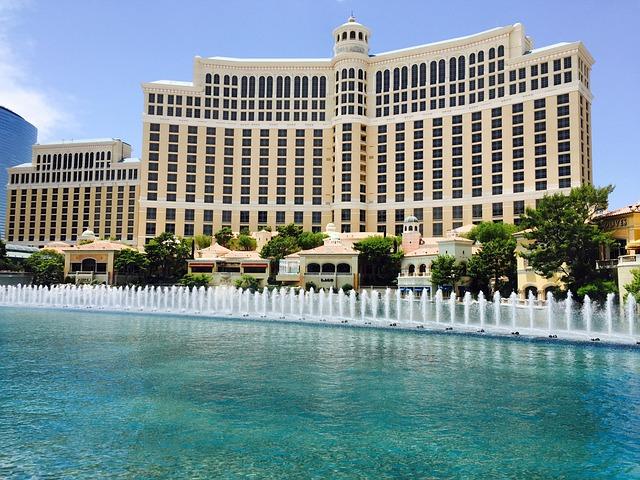
Initially characterized by simple motels and small gambling venues, The Strip has evolved into a showcase of architectural brilliance and entertainment innovation. The opening of the Flamingo in 1946, spearheaded by Bugsy Siegel, marked a pivotal moment, introducing a new level of sophistication and allure. This set the foundation for subsequent iconic resorts such as Caesars Palace, The Mirage, and Bellagio, each pushing creative boundaries with thematic designs and immersive experiences.
During the 1980s and 1990s, the rise of mega-resorts transformed the Strip into a sprawling entertainment complex, blending lavish shows, gourmet dining, and expansive gaming floors. These developments not only reflect changing architectural styles but also the city’s adaptability to economic fluctuations and evolving tourist preferences. Below is a comparative overview of some of the most influential resorts and their hallmark features:
| Resort | Year Opened | Distinctive Feature | Significance |
|---|---|---|---|
| Flamingo | 1946 | Vibrant Neon Illumination | Set the glamorous tone for The Strip |
| Caesars Palace | 1966 | Roman Empire Theme | Introduced the luxury resort concept |
| The Mirage | 1989 | Iconic Volcano Attraction | Revolutionized tourist appeal |
| Bellagio | 1998 | Fountains and Fine Art | Elevated integration of art and entertainment |
- Innovation: Each property introduced pioneering entertainment and architectural elements.
- Adaptability: The Strip has consistently evolved through economic challenges and shifting visitor demographics.
- Global Influence: These resorts have shaped worldwide perceptions of luxury and leisure.
Urban Growth and the Shifting Skyline of Las Vegas
Las Vegas’ urban fabric has expanded dramatically, transitioning from low-rise motels to towering mega-resorts that define its skyline. This vertical growth reflects changing visitor expectations and the ambitions of developers targeting a global market. Advances in construction technology and sustainable design have enabled this upward expansion, reshaping the city’s core into a 24/7 entertainment and hospitality hub.
Key drivers behind these urban transformations include:
- Growth of mixed-use complexes blending residential, commercial, and leisure functions.
- Adoption of energy-efficient building techniques to mitigate desert heat and reduce environmental impact.
- Expansion of pedestrian-amiable zones to enhance accessibility and social interaction.
| Decade | Urban Development Trend | Noteworthy Landmark |
|---|---|---|
| 1950s | Casino Expansion | El Rancho Vegas |
| 1980s | Emergence of Mega-Resorts | The Mirage |
| 2000s | Luxury High-Rises and Condominiums | The Cosmopolitan |
| 2020s | Green Building Initiatives | Resorts World Las Vegas |
Architectural Styles as Mirrors of Cultural Change
The architectural landscape of Las Vegas offers a vivid reflection of the city’s cultural evolution. The neon-lit casinos of the mid-20th century embodied post-war optimism and the American dream,while the themed mega-resorts of the late 20th century catered to a growing global audience seeking escapism and spectacle. More recently, the city has embraced sustainable design and immersive experiences, aligning with contemporary values of environmental responsibility and lifestyle diversity.
Current developments emphasize a blend of entertainment, culinary excellence, and eco-conscious architecture, signaling a shift from purely gambling-focused venues to multifaceted cultural destinations. Key architectural phases include:
- Mid-century Neon and Googie Design: Symbolizing innovation and optimism.
- Themed Mega-Resorts: Reflecting globalization and fantasy-driven tourism.
- Eco-Friendly and Experiential Architecture: Highlighting sustainability and immersive visitor engagement.
- Integrated Entertainment Complexes: Catering to diverse leisure preferences and lifestyle integration.
| Period | Architectural Style | Cultural Significance |
|---|---|---|
| 1950s-60s | Neon & Googie | Post-war optimism and Americana |
| 1980s-90s | Themed Resorts | Escapism and international tourism |
| 2000s-Present | Sustainable & Experiential | Environmental awareness and diversified leisure |
Looking Ahead: Sustainable Innovation and Heritage Preservation
As Las Vegas moves forward, the city is embracing a future where cutting-edge technology and sustainability coexist with its rich past identity. Urban planners and architects are focusing on integrating green spaces, energy-efficient designs, and smart technologies such as augmented reality and AI to enhance visitor engagement and environmental stewardship. This approach aims to harmonize the preservation of iconic mid-century neon signs with the rise of sleek, modern skyscrapers.
Preservation strategies include:
- Safeguarding historic districts and revitalizing neon landmarks through adaptive reuse.
- Partnering with local artists and historians to document and celebrate the city’s evolving story.
- Enforcing zoning regulations to protect architecturally significant buildings from demolition.
- Encouraging community participation to foster a shared sense of cultural ownership.
| Focus Area | Initiative | Expected Outcome |
|---|---|---|
| Technology Integration | Smart lighting and AR experiences | Enhanced visitor interaction and engagement |
| Historic Preservation | Neon sign restoration projects | Maintains cultural heritage and identity |
| Urban Greening | Vertical gardens and pocket parks | Improved air quality and urban aesthetics |
Final Thoughts
Las Vegas continues to captivate the world with its ever-evolving blend of spectacle, innovation, and cultural richness. From its origins as a modest desert stopover to its current status as a global entertainment capital, the city exemplifies resilience and reinvention. The visual chronicles of its landmarks and urban growth not only document history but also embody the spirit of a city that thrives on transformation. As Las Vegas charts its future, it promises to remain a beacon of excitement and possibility for generations to come.