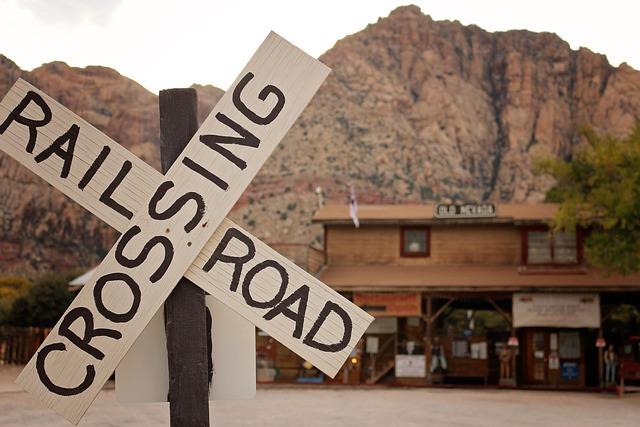
Exploring Las Vegas: From Desert Outpost to Global Entertainment Powerhouse
Historical Foundations and Key Developments of Las Vegas
Originally a modest desert waypoint for early explorers and settlers, Las Vegas officially emerged as a city in 1905. Its transformation accelerated dramatically during the 1930s, especially with the completion of the Hoover Dam, which attracted a large workforce and stimulated economic expansion. The legalization of gambling in 1931 was a pivotal moment, setting the stage for Las Vegas to become a premier destination for gaming and entertainment. The debut of the Flamingo Hotel in 1946 marked the beginning of the city’s iconic casino resort era, blending luxury with nightlife and entertainment.
Several landmark events chart the city’s rapid evolution:
- 1905: Establishment of the city’s original layout and founding.
- 1931: Nevada legalizes gambling, creating a new economic backbone.
- 1936: Hoover Dam completion fuels population growth and job creation.
- 1946: Opening of the Flamingo Hotel, pioneering the modern casino resort model.
- 1950s-60s: Expansion of corporate-owned casino resorts reshapes the skyline.
- Late 20th Century: Emergence as a global tourism and entertainment hub.
| Year | Event | Significance |
|---|---|---|
| 1905 | City founding and land auction | Established permanent settlement framework |
| 1931 | Gambling legalized statewide | Laid economic foundation for growth |
| 1936 | Hoover Dam completed | Boosted population and employment |
| 1946 | Flamingo Hotel inauguration | Initiated casino resort era |
Urban Planning and Structural Characteristics of Las Vegas
Las Vegas’s cityscape is a unique fusion of deliberate urban planning and organic expansion,shaped by its explosive growth throughout the 20th century. The city’s hallmark is the Las Vegas Strip, a 4.2-mile stretch that serves as the epicenter for entertainment, hospitality, and commerce. This linear concentration contrasts with the sprawling, grid-patterned residential neighborhoods that radiate outward, illustrating a balance between tourism-driven zones and everyday living spaces.
City planners have also emphasized the inclusion of green spaces and pedestrian-friendly environments despite the desert climate. Parks and recreational areas are strategically placed to offer residents and visitors a refreshing escape from the urban bustle. Sustainability is a key focus, with infrastructure designed to optimize water use and energy efficiency.Notable urban design features include:
- Strip-Focused Zoning: Centralized entertainment and hospitality corridor.
- Grid-Based Residential Layout: Facilitates easy navigation and expansion.
- Green and Public Spaces: Parks integrated for community well-being.
- Transportation Network: Wide roads,pedestrian zones,and shuttle systems support high traffic volumes.
| Feature | Description | Effect |
|---|---|---|
| Highway Infrastructure | Expansion of Interstate 15 and local routes | Enhances accessibility for commuters and tourists |
| Pedestrian Zones | Walkways around major resorts and casinos | Improves safety and visitor experience |
| Mixed-Use Developments | Integration of residential and commercial spaces | Promotes vibrant, around-the-clock neighborhoods |
Demographic Evolution and Population Dynamics
Over recent decades, Las Vegas has experienced extraordinary population growth, evolving from a small desert town into one of the fastest-expanding metropolitan areas in the U.S. This surge is fueled by a thriving tourism sector, expanding employment opportunities, and relatively affordable housing. From 1990 to 2020, the population more than tripled, drawing a culturally diverse mix of residents nationwide and internationally.
Important demographic changes include a rising proportion of Hispanic and Asian communities, enriching the city’s cultural mosaic and economic vitality. The median age in Las Vegas is notably younger than the national average, reflecting an influx of families and young professionals attracted by job prospects and lifestyle benefits. Key demographic trends are summarized below:
| Demographic Indicator | 2010 | 2020 | Change |
|---|---|---|---|
| Population | 583,756 | 641,903 | +9.9% |
| Hispanic or Latino (%) | 31.3% | 33.4% | +2.1 points |
| Asian (%) | 6.2% | 8.3% | +2.1 points |
| Median Age | 37.5 years | 36.8 years | -0.7 years |
- Increasing cultural diversity: A hallmark of the metropolitan area’s identity.
- Younger demographic profile: Supports innovation and workforce vitality.
- Urban expansion challenges: Growth into desert outskirts demands enduring infrastructure solutions.
Economic Landscape and Prospects for Growth
Las Vegas’s economy remains heavily anchored in its world-famous hospitality and entertainment industries, drawing millions of visitors annually for gaming, shows, and conventions. However, the city is actively diversifying, with burgeoning sectors in technology and renewable energy gaining momentum. This strategic shift aims to reduce reliance on tourism and foster a more resilient economic base.
Looking ahead, Las Vegas is investing in urban revitalization and smart city technologies to improve quality of life and sustainability. Upcoming projects focus on mixed-use developments, green energy integration, and expanding the downtown entertainment district, signaling a commitment to innovation and environmental stewardship.
| Industry Sector | Current Economic Share (%) | Projected Growth (2025-2030) |
|---|---|---|
| Tourism & Gaming | 65% | 5% |
| Technology & Innovation | 12% | 25% |
| Renewable Energy | 8% | 20% |
| Trade & Transportation | 10% | 10% |
- Smart City Development: Emphasizing connectivity and eco-friendly infrastructure.
- Transportation Enhancements: Upgrading logistics and commuter systems.
- Economic Diversification: Encouraging startups and emerging industries.
Conclusion: The Ever-Evolving Spirit of Las Vegas
Las Vegas stands as a vibrant and multifaceted city, boasting a rich historical legacy, a thoughtfully designed urban environment, and a dynamic economy rooted in entertainment and innovation. Its growing and diverse population underscores its role as a cultural and economic beacon in Nevada and beyond. As the city continues to evolve, it offers a compelling case study of growth, adaptation, and chance in the American West.For those seeking a extensive understanding of Las Vegas’s development and current status, authoritative resources such as Britannica provide invaluable insights.