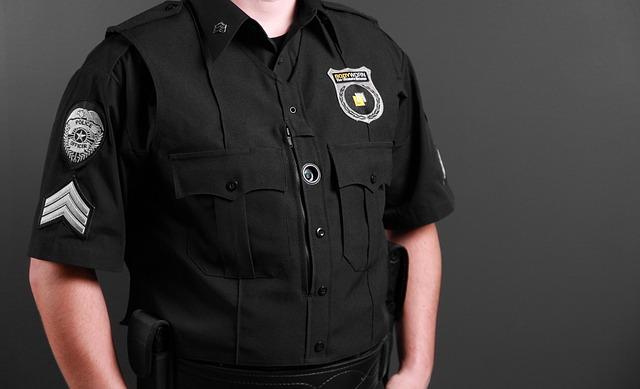
How Police Body-Worn Cameras Enhance Accountability and Reduce Misconduct
Recent research from the University of Nevada, Las Vegas (UNLV) highlights the transformative role of police body-worn cameras (BWCs) in fostering clarity and curbing officer misconduct. This study contributes to the expanding evidence that BWCs not only diminish the frequency of use-of-force incidents but also strengthen community trust in law enforcement.As more police departments across the United States integrate this technology, understanding its impact and best practices becomes essential for policymakers and law enforcement leaders alike.
Decline in Complaints and Use of Force Following BWC Adoption
The UNLV study presents compelling data showing that police departments equipped with body-worn cameras experience a significant drop in citizen complaints and use-of-force occurrences. Specifically, misconduct complaints decreased by approximately 15% to 20%, while use-of-force incidents saw a similar reduction. These improvements suggest that the presence of cameras encourages officers to exercise greater restraint and accountability during interactions with the public.
Moreover, community members report feeling more secure when aware that encounters are being recorded, which contributes to enhanced public confidence in law enforcement. The following table summarizes key metrics before and after the implementation of BWCs:
| Metric | Before BWCs | After BWCs | Percentage Change |
|---|---|---|---|
| Misconduct Complaints | 120 per 1,000 calls | 96 per 1,000 calls | -20% |
| Use of Force Incidents | 35 per 1,000 calls | 28 per 1,000 calls | -20% |
| Community Trust Level | 68% | 75% | +7% |
Analyzing the Influence of BWCs on Use-of-Force Events
Delving deeper, UNLV researchers examined how BWCs affect the frequency and nature of use-of-force incidents. Their findings reveal a marked reduction in such events in departments that have integrated body cameras, indicating that officers tend to adopt more measured and de-escalatory tactics when aware of being recorded. This shift not only benefits civilians but also supports officers by providing objective evidence during investigations.
Key outcomes identified include:
- Heightened officer responsibility: The knowledge of being recorded encourages more intentional and ethical decision-making.
- Lower rates of misconduct complaints: Both officers and community members report fewer grievances,fostering mutual respect.
- Enhanced evidentiary support: Video footage improves the accuracy and fairness of use-of-force case assessments.
| Metric | Before BWCs | After BWCs |
|---|---|---|
| Use of Force Incidents (per 1,000 arrests) | 78 | 45 |
| Annual Misconduct Complaints | 120 | 65 |
| Cases Supported by Video Evidence | 18% | 76% |
Critical Elements That Enhance the Effectiveness of Body-Worn Cameras
The success of BWCs in reducing misconduct and use-of-force incidents depends heavily on several foundational factors. Foremost among these is the establishment of clear, comprehensive policies that dictate when and how cameras should be activated. Departments with well-defined protocols see more consistent camera usage and better behavioral outcomes.
Equally crucial is ongoing officer training that emphasizes ethical conduct, accountability, and proper camera operation. Such education cultivates a culture of responsibility and mindfulness during police-public interactions.Additionally, obvious management of recorded footage-ensuring secure storage, controlled access, and timely review-bolsters public confidence and aids in swift, fair investigations.
| Key Factor | Impact on Policing |
|---|---|
| Clear Activation Policies | Reduces ambiguity, ensuring cameras are used consistently |
| Comprehensive Officer Training | Promotes ethical behavior and proper device use |
| Efficient Footage Management | Facilitates transparency and expedites case resolution |
| Community Involvement | Builds trust and encourages cooperative relationships |
- Activation protocols: Well-defined rules on when to start recording minimize confusion during critical moments.
- Privacy safeguards: Balancing transparency with individual privacy rights is essential for community acceptance.
- Regular audits: Autonomous reviews of footage help identify trends and reinforce accountability.
Strategies for Police Departments to Optimize Body-Worn Camera Use
To fully capitalize on the advantages of BWCs, law enforcement agencies should implement robust policies that prioritize transparency and officer accountability.This includes mandating the activation of cameras during all public interactions and providing officers with thorough training on both technical operation and ethical considerations while being recorded.
Departments are also advised to develop clear protocols governing access to and retention of footage, ensuring a balance between privacy concerns and the public’s right to information.
Effective approaches to maximize BWC benefits include:
- Conducting systematic reviews of camera footage to detect patterns and prevent misconduct before it escalates.
- Engaging communities by using recorded interactions as a foundation for dialogue and trust-building initiatives.
- Incorporating BWC data into training programs focused on body language and situational awareness to enhance officer decision-making.
- Utilizing analytics to monitor trends in use-of-force incidents and adjust policies proactively.
| Proposal | Anticipated Outcome |
|---|---|
| Mandatory Camera Activation | Boosts transparency and strengthens credibility |
| Routine Footage Audits | Enables early detection of misconduct trends |
| Community Feedback Integration | Enhances public trust and cooperation |
| Targeted Training Programs | Improves ethical conduct and situational judgment |
Conclusion: The Growing Role of Body-Worn Cameras in Modern Policing
The University of Nevada, Las Vegas study reinforces the growing consensus that body-worn cameras are vital tools for promoting accountability and transparency within law enforcement. As adoption rates continue to rise nationwide, these devices have demonstrated their capacity to reduce misconduct and excessive use of force, while simultaneously enhancing community relations.
Ongoing research and policy refinement will be crucial to fully realise the potential of BWCs, notably in addressing challenges related to privacy, data management, and officer training. By embracing these technologies thoughtfully, police departments can foster safer, more trustworthy interactions with the communities they serve.