
O.J.Simpson: A Complex Legacy of Athletic Excellence and Legal Drama
Early Life and Rise to Football Stardom
Orenthal James Simpson, better known as O.J. Simpson, was born in 1947 in San Francisco, California, into a humble family surroundings. From a young age, his extraordinary athletic talent was unmistakable, earning him a scholarship to the University of Southern California (USC). At USC, Simpson quickly rose to prominence as a dynamic running back, shattering numerous collegiate records and captivating football enthusiasts across the country. His remarkable speed and agility culminated in winning the prestigious Heisman Trophy in 1968, signaling the beginning of an remarkable professional career.
Upon entering the National Football League (NFL), Simpson continued to make history with several groundbreaking accomplishments:
- Draft Status: Selected as the first overall pick in the 1969 NFL Draft by the Buffalo Bills
- Record-Breaking Performance: First running back to surpass 2,000 rushing yards in a single NFL season (1973)
- Hall of Fame Induction: Enshrined in the Pro Football Hall of Fame in 1985
| Year | Milestone | Importance |
|---|---|---|
| 1968 | Heisman Trophy Recipient | Recognized as the nation’s top collegiate football player |
| 1973 | 2,003 Rushing Yards | Set an NFL single-season rushing record |
The 1994 Criminal Trial: A Turning Point in American Society
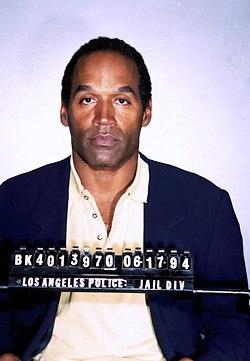
The 1994 murder trial of O.J. Simpson became a watershed moment in American legal and cultural history. The case not only captivated the nation but also exposed deep-seated issues surrounding race, justice, and media influence.Broadcast live around the clock, the trial transformed the courtroom into a stage where legal tactics, celebrity status, and societal tensions collided. Simpson’s eventual acquittal sparked intense debate, revealing stark divisions in public opinion and raising questions about the fairness of the judicial process.
Several contentious issues emerged during the trial, shaking public trust in the legal system:
- Claims of racial prejudice influencing prosecutorial decisions and jury composition.
- Scrutiny over the handling and credibility of forensic evidence by law enforcement.
- The trial’s evolution into a media spectacle, blurring the boundaries between news reporting and entertainment.
This landmark case illustrated how fame and media saturation can profoundly affect legal proceedings and public perception.
| Dimension | Effect | Controversy |
|---|---|---|
| Media Exposure | Unprecedented 24-hour coverage | Blurred distinction between journalism and entertainment |
| Race Relations | Brought systemic racial disparities to the forefront | Polarized communities and public discourse |
| Forensic Science | First widespread use of DNA evidence in court | Debates over evidence integrity and police procedures |
Media Influence and Public Opinion During the Trial
The media’s role in shaping the narrative around O.J. Simpson’s trial was pivotal,often steering public sentiment through sensationalized headlines and continuous live broadcasts. This relentless coverage heightened societal divisions, fueling discussions about race, celebrity influence, and the justice system. The portrayal of Simpson oscillated between that of a victim of injustice and a calculating defendant, mirroring the broader cultural conflicts of the era.
Key factors that shaped public perception included:
- Nonstop News Cycles: Constant updates enabled immediate public engagement but sometimes led to premature judgments before all facts emerged.
- Race and Identity Narratives: Media often emphasized racial aspects, influencing reactions across diverse communities nationwide.
- Celebrity Status: Simpson’s fame as a sports legend complicated public attitudes, blending admiration with suspicion.
| Focus Area | Media Strategy | Public Response |
|---|---|---|
| Courtroom Proceedings | Live coverage with expert commentary | Deep societal polarization and debate |
| Personal Life | Focus on celebrity lifestyle and background | Mixed feelings of empathy and criticism |
| Race Issues | Consistent emphasis throughout coverage | Increased awareness and social tension |
Legal Reforms and Lessons from the Simpson Case
The Simpson trial exposed critical weaknesses in the U.S. judicial system,prompting widespread calls for reform. Discussions centered on racial bias, media interference, and jury impartiality. In response, courts implemented stricter voir dire procedures to better screen jurors for potential prejudices. Additionally, guidelines were introduced to regulate media presence in courtrooms, aiming to protect defendants’ rights while maintaining transparency.
Key reforms inspired by the case include:
- Improved Evidence Protocols: Enhanced procedures to safeguard forensic samples and maintain chain-of-custody integrity.
- Mandatory Evidence Disclosure: Laws requiring prosecutors to share all exculpatory evidence with defense teams.
- Strengthened Witness Protection: Programs designed to ensure the safety and reliability of witnesses and victims.
- Media Conduct Regulations: Rules to minimize prejudicial media influence during ongoing trials.
| Reform Category | Outcome |
|---|---|
| Jury Selection | Reduced bias, more balanced juries |
| Evidence Handling | Greater forensic accuracy and trustworthiness |
| Media Oversight | Fairer trial environments with controlled media access |
| Disclosure Requirements | Enhanced transparency between prosecution and defense |
Conclusion: The Enduring Influence of O.J. Simpson’s Story
O.J. Simpson’s life story remains a compelling narrative of extraordinary athletic success intertwined with profound legal and cultural controversies. As chronicled in authoritative sources like Britannica, his journey from celebrated sports icon to a central figure in one of America’s most scrutinized trials continues to resonate. The case’s impact on legal practices, media dynamics, and societal conversations about race and justice ensures that Simpson’s legacy will be examined and debated for generations to come.